
Commercial Lease Agreement
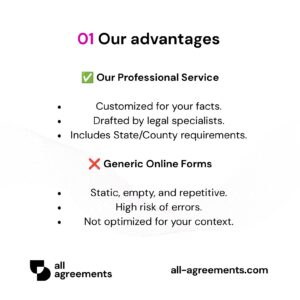
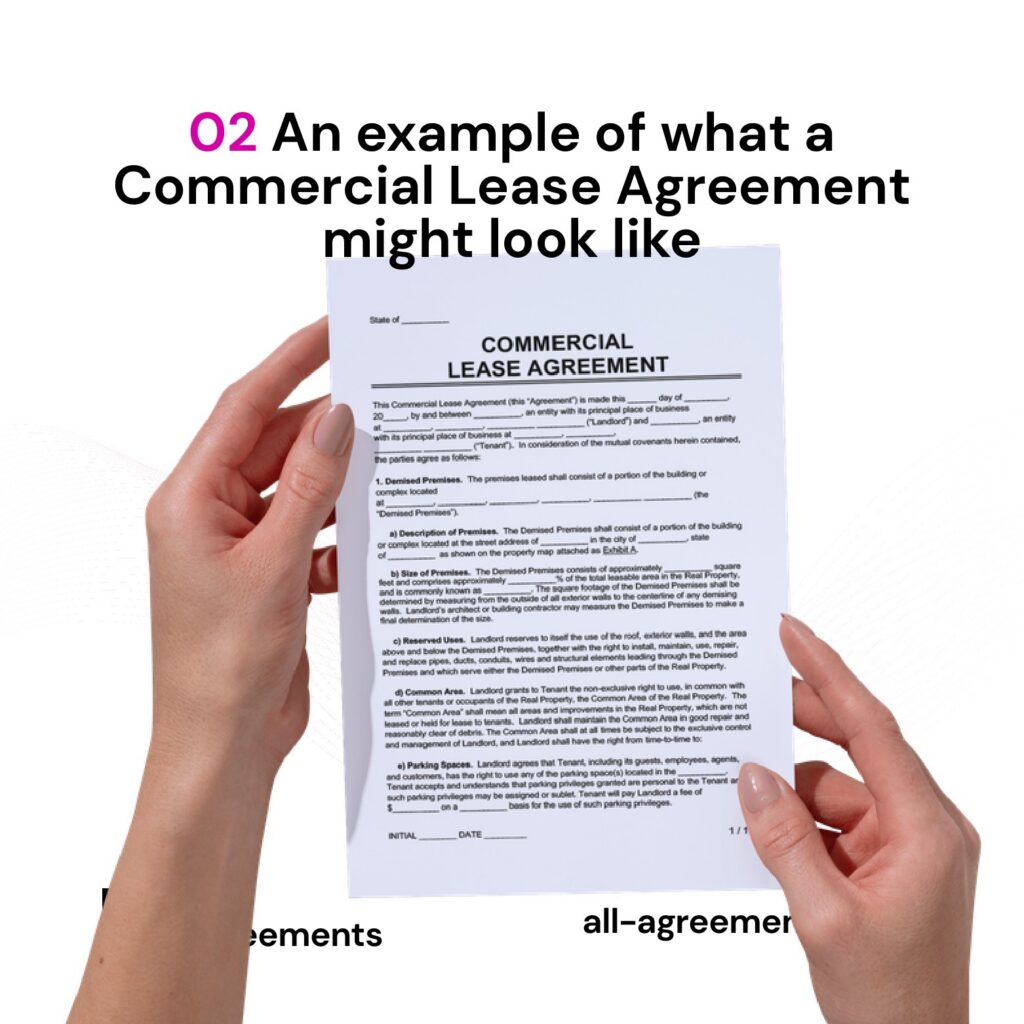
Create a custom Commercial Lease Agreement designed around your commercial property, business operations, and landlord-tenant responsibilities.
Clearly define rent terms, permitted use, maintenance obligations, operating expenses, renewal options, and commercial lease protections in one professional agreement.
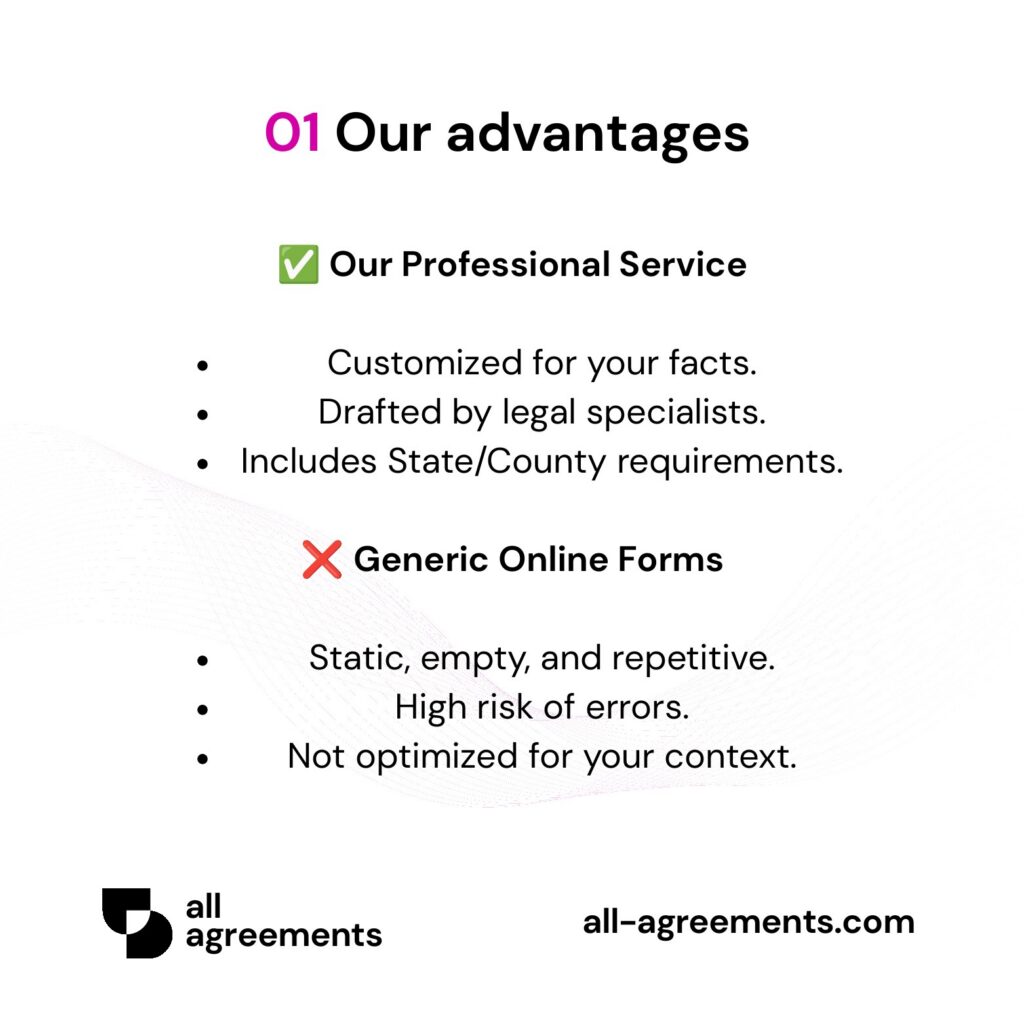
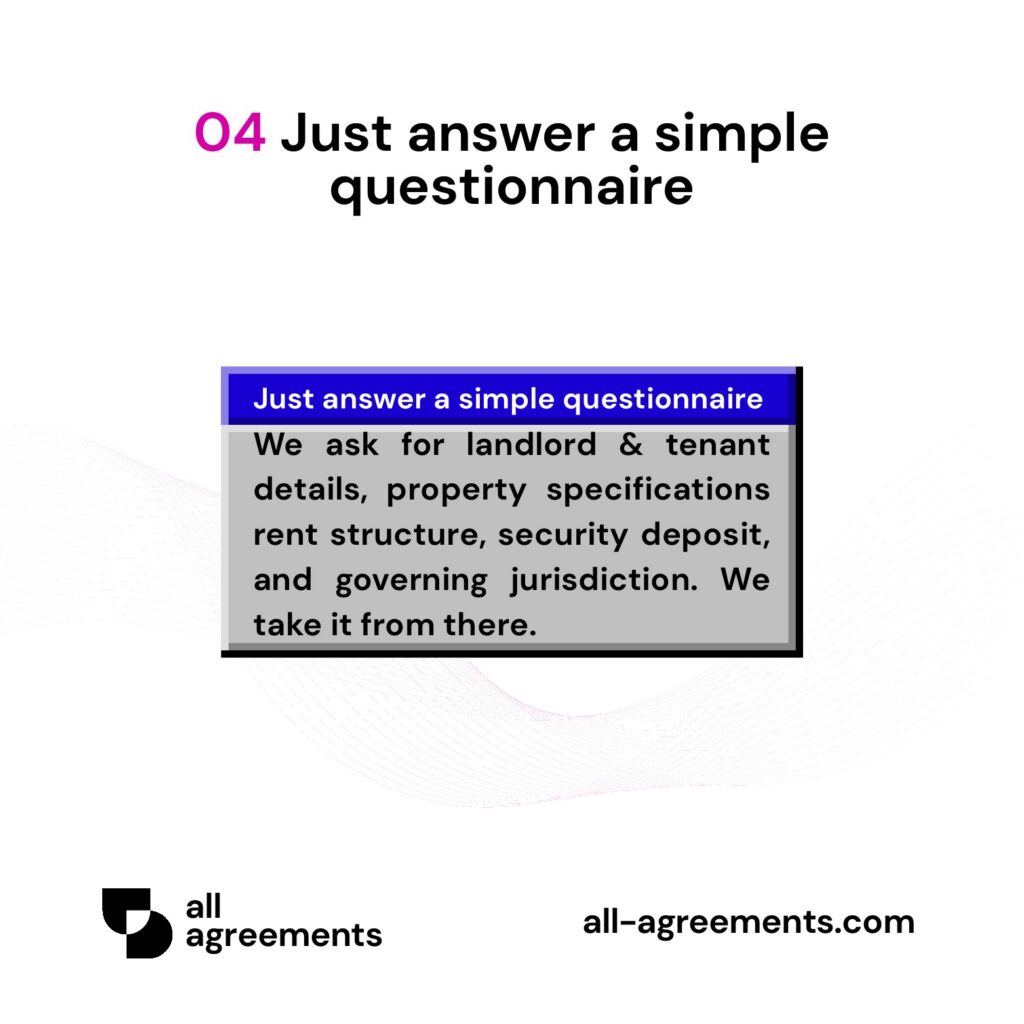
- Custom-Prepared Document: Structured using the commercial property, landlord, tenant, rental terms, and business requirements you provide.
- Complete Lease Structure: Document rent obligations, security deposits, maintenance duties, insurance requirements, property expenses, and renewal provisions.
- Commercial Property Protection: Address tenant responsibilities, landlord rights, default terms, termination procedures, dispute resolution, and additional lease provisions.
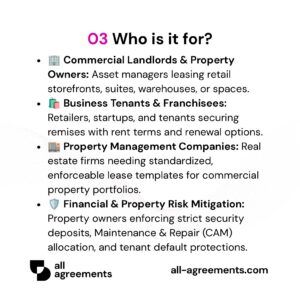
💡 Designed for landlords, tenants, investors, and commercial real estate professionals throughout the United States and adaptable to the governing state law and specific leasing arrangement selected by the parties.
Why Choosing the Right Agreement Matters
Every legal agreement serves a specific purpose. A lease agreement, service agreement, partnership agreement, and purchase agreement all address different types of relationships and obligations.
Choosing the right agreement helps:
- Clearly define expectations
- Protect financial interests
- Establish responsibilities
- Reduce misunderstandings
- Create evidence of the parties’ intentions
- Address potential problems before they occur
The right agreement provides a legal framework for the relationship between the parties.
Factors to Consider When Choosing a Legal Agreement
1. Identify the Purpose of the Agreement
The first step is determining what the agreement needs to accomplish.
Ask:
- What relationship needs to be documented?
- What transaction is taking place?
- What rights or responsibilities need protection?
- Are money, property, services, or confidential information involved?
Examples:
- Renting property → Lease Agreement
- Hiring a professional → Service Agreement
- Protecting confidential information → NDA
- Starting a business together → Partnership Agreement
The purpose of the document determines the type of agreement you need.
2. Identify the Parties Involved
Different agreements apply depending on who is involved.
Consider whether the parties are:
- Individuals
- Businesses
- Landlords and tenants
- Employers and employees
- Contractors and clients
- Business partners
- Property owners and buyers
The relationship between the parties determines what terms should be included.
3. Determine What Needs to Be Protected
Different situations require different protections.
Consider whether you need to protect:
- Money
- Property
- Confidential information
- Intellectual property
- Business ownership
- Personal rights
- Services or products
For example:
- A business sharing confidential information may need an NDA.
- A homeowner hiring a contractor may need a Construction Contract.
- A landlord renting property may need a Residential Lease Agreement.
4. Consider the Length of the Relationship
The duration of the relationship affects the type of agreement needed.
Short-Term Relationships
Examples:
- One-time purchases
- Temporary services
- Short projects
Common agreements:
- Purchase Agreement
- Service Agreement
- Independent Contractor Agreement
Long-Term Relationships
Examples:
- Business partnerships
- Employment relationships
- Property rentals
Common agreements:
- Partnership Agreement
- Employment Agreement
- Lease Agreement
- Operating Agreement
5. Determine Whether Money Is Involved
Financial arrangements should always be clearly documented.
If money is involved, consider agreements that address:
- Payment amounts
- Payment schedules
- Deposits
- Refunds
- Late payments
- Financial responsibilities
Examples:
- Personal Loan Agreement
- Purchase Agreement
- Service Agreement
- Lease Agreement
Clear payment terms help prevent disputes.
Common Types of Legal Agreements and When to Use Them
Residential Lease Agreement
Use a Residential Lease Agreement when a property owner rents a home, apartment, or other residential property.
It typically covers:
- Rent amount
- Lease duration
- Security deposit
- Maintenance responsibilities
- Tenant obligations
Commercial Lease Agreement
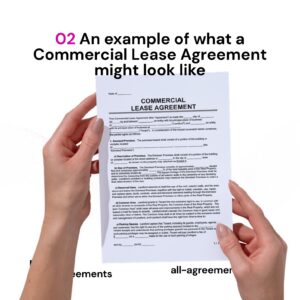
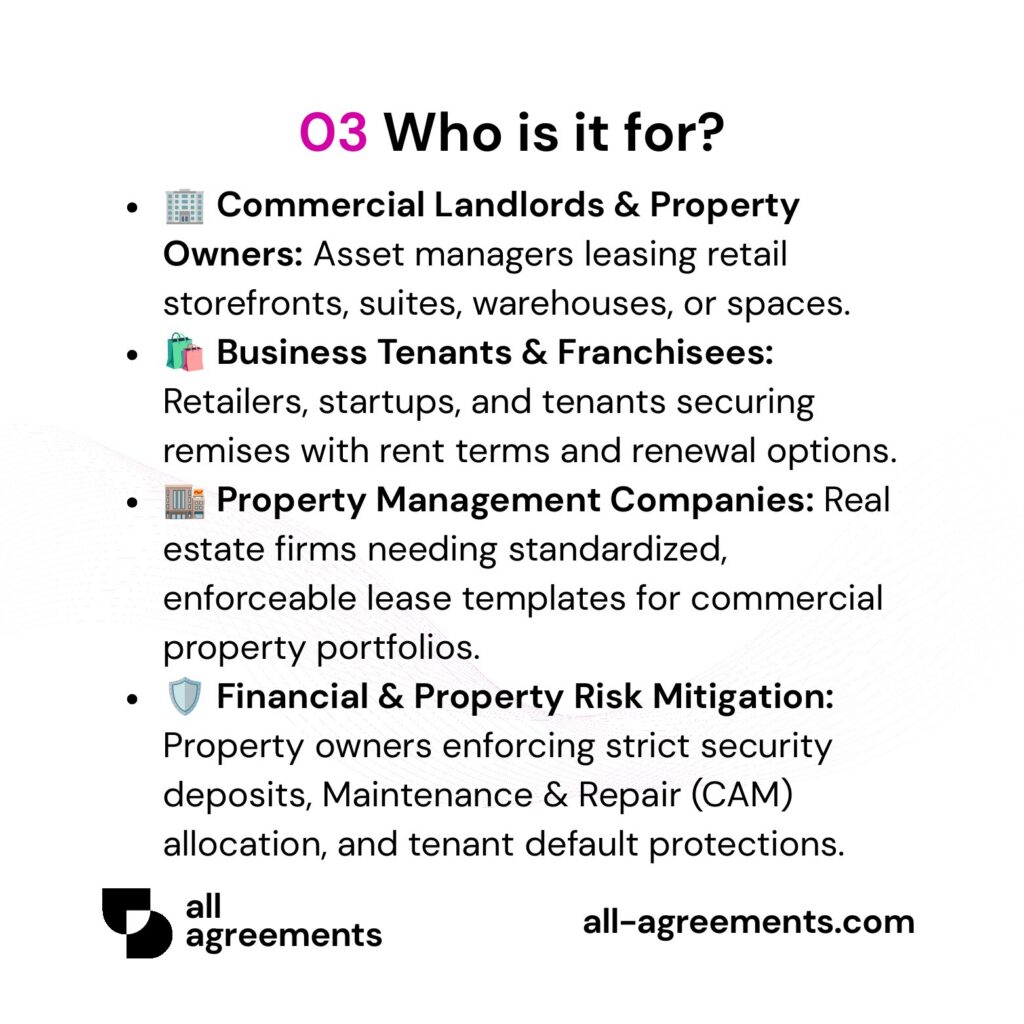
Use a Commercial Lease Agreement when renting property for business purposes.
It may address:
- Business use
- Rent structure
- Operating expenses
- Maintenance duties
- Insurance requirements
Service Agreement
Use a Service Agreement when one party provides professional or business services to another.
Common uses include:
- Consulting
- Marketing
- Maintenance
- Design work
- Professional services
It defines:
- Services provided
- Payment terms
- Deadlines
- Responsibilities
Independent Contractor Agreement
Use an Independent Contractor Agreement when hiring someone who is not an employee.
It typically covers:
- Project details
- Compensation
- Work expectations
- Ownership rights
- Confidentiality
Non-Disclosure Agreement (NDA)
Use an NDA when confidential information needs protection.
Common situations:
- Business negotiations
- New product discussions
- Hiring employees
- Sharing trade secrets
It helps protect sensitive information.
Business Partnership Agreement
Use a Business Partnership Agreement when two or more people start or operate a business together.
It may define:
- Ownership interests
- Profit sharing
- Responsibilities
- Decision-making authority
- Partner exit procedures
Operating Agreement
Use an Operating Agreement for an LLC.
It may establish:
- Ownership structure
- Member responsibilities
- Voting rights
- Management procedures
Shareholder Agreement
Use a Shareholder Agreement when multiple owners hold shares in a corporation.
It may address:
- Share ownership
- Transfer restrictions
- Voting rights
- Buyout procedures
Purchase Agreement
Use a Purchase Agreement when buying or selling goods, assets, or property.
It may include:
- Purchase price
- Payment terms
- Delivery requirements
- Transfer conditions
Real Estate Purchase Agreement
Use a Real Estate Purchase Agreement for property transactions.
It may cover:
- Property details
- Purchase price
- Financing
- Inspection requirements
- Closing terms
Construction Contract
Use a Construction Contract when hiring contractors for building or renovation work.
It may include:
- Project scope
- Materials
- Timeline
- Payment schedule
- Completion requirements
Property Management Agreement
Use a Property Management Agreement when hiring someone to manage real estate.
It may define:
- Rent collection
- Maintenance duties
- Tenant communication
- Management fees
Employment Agreement
Use an Employment Agreement when establishing employment terms.
It may cover:
- Job responsibilities
- Compensation
- Benefits
- Confidentiality
- Termination conditions
Power of Attorney
Use a Power of Attorney when authorizing another person to act on your behalf.
It may apply to:
- Financial matters
- Property transactions
- Business decisions
Last Will and Testament
Use a Last Will and Testament to provide instructions regarding the distribution of assets after death.
It may include:
- Beneficiaries
- Property distribution
- Executor appointment
Questions to Ask Before Choosing an Agreement
Before selecting a legal document, consider:
What Is the Main Goal?
Are you:
- Creating a business relationship?
- Renting property?
- Buying or selling something?
- Hiring someone?
- Protecting information?
- Planning for the future?
Who Are the Parties?
Identify everyone involved and their relationship.
What Risks Need Protection?
Consider possible issues involving:
- Payment disputes
- Property damage
- Confidential information
- Ownership conflicts
- Failure to perform obligations
What Terms Are Most Important?
Determine whether you need provisions for:
- Payment
- Deadlines
- Ownership
- Confidentiality
- Termination
- Dispute resolution
Common Mistakes When Choosing Legal Agreements
People often choose the wrong document by:
- Using a generic template for every situation
- Selecting an agreement based only on the title
- Ignoring important risks
- Leaving responsibilities unclear
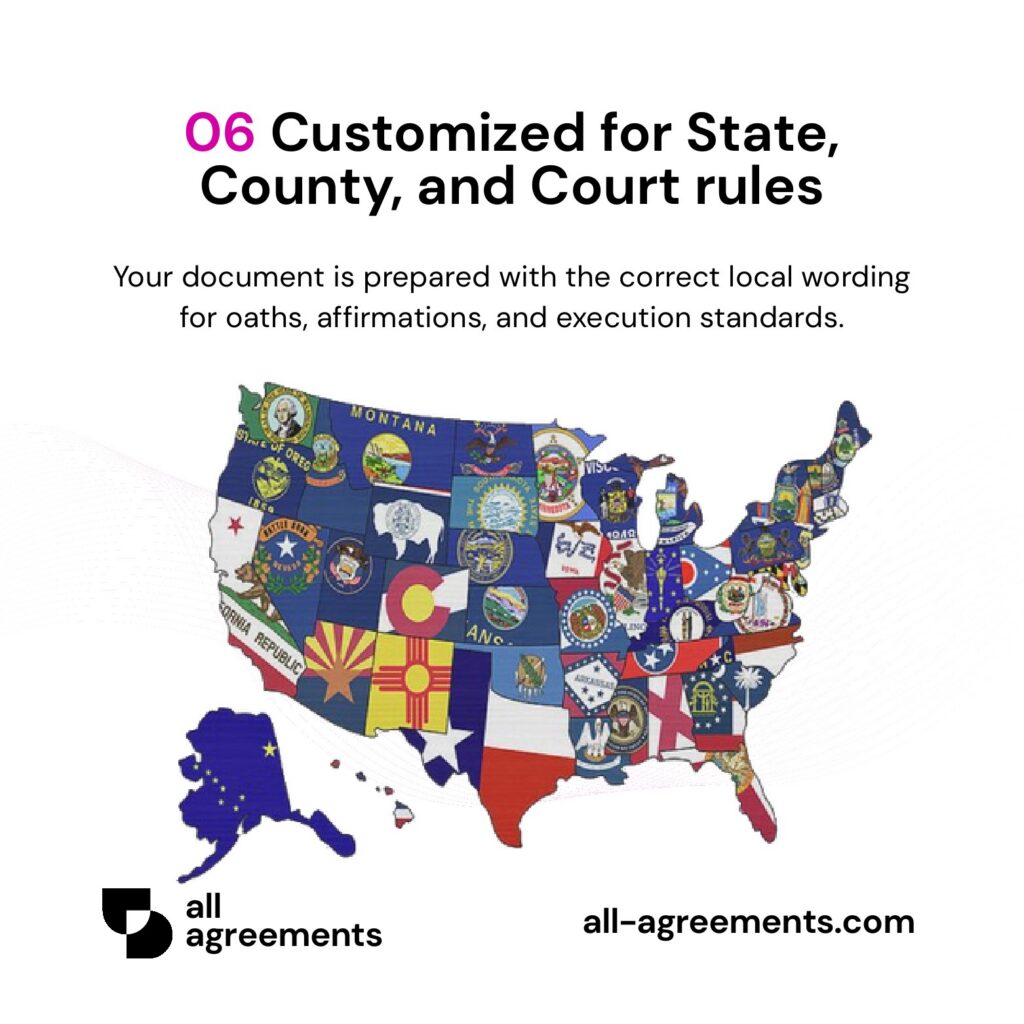
- Forgetting location-specific requirements
- Using outdated documents
The agreement should match the actual relationship, not just the general situation.
Customizing a Legal Agreement
Many agreements should be customized based on:
- The parties involved
- Industry requirements
- Location
- Financial terms
- Specific responsibilities
- Potential risks
A customized agreement is usually more effective than a generic document because it reflects the actual arrangement.
Reviewing an Agreement Before Signing
Before signing, check:
- Names of all parties
- Payment terms
- Responsibilities
- Deadlines
- Termination rules
- Confidentiality provisions
- Ownership rights
- Liability provisions
- Signature requirements
Make sure the agreement accurately represents what everyone agreed to.
Frequently Asked Questions
How Do I Know Which Legal Agreement I Need?
Start by identifying the purpose of the document, the parties involved, and what needs protection. The agreement type should match the specific situation.
Can One Agreement Be Used for Different Situations?
Sometimes, but many agreements require customization. A lease agreement, service contract, and partnership agreement serve different purposes.
Are Online Legal Templates Enough?
Templates can be useful starting points, but agreements often need adjustments based on specific circumstances and requirements.
Can Legal Agreements Be Modified?
Yes. Parties can usually modify agreements through written amendments if changes are needed.
What Happens If I Choose the Wrong Agreement?
The document may fail to address important issues or provide the protection you expected, which can lead to confusion or disputes.
Conclusion
Choosing the right legal agreement is an important part of protecting your interests and creating clear expectations between parties. The correct document depends on the purpose of the relationship, the people involved, the risks being managed, and the obligations that need to be defined.
Whether you are renting property, starting a business, hiring a professional, buying assets, or protecting confidential information, selecting the appropriate agreement helps create a stronger legal foundation.
A well-chosen legal agreement is not just paperwork—it is a tool for preventing misunderstandings, managing responsibilities, and protecting the rights of everyone involved.

On sale products
-
Rent Receipt Template
Original price was: $14.99.$5.99Current price is: $5.99. -
Move-In Checklist
Original price was: $19.99.$8.99Current price is: $8.99. -
Move-Out Checklist
Original price was: $19.99.$8.99Current price is: $8.99. -
Landlord Reference Letter
Original price was: $19.99.$8.99Current price is: $8.99. -
Tenant Reference Letter
Original price was: $19.99.$8.99Current price is: $8.99.


Legal Document Preparation Services (A-J)
A
Affidavit Template Preparation Service
Agency Agreement Preparation Service
Asset Purchase Agreement Preparation Service
B
Bill of Sale Preparation Service
Boat Bill of Sale Preparation Service
Business Loan Agreement Preparation Service
Business Partnership Agreement Preparation Service
C
Character Reference Letter Preparation Service
Child Care Authorization Preparation Service
Child Support Agreement Preparation Service
Co-Parenting Agreement Preparation Service
Commercial Lease Agreement Preparation Service
Commercial Property Lease Preparation Service
Commission Agreement Preparation Service
Consent Form Preparation Service
Consulting Agreement Preparation Service
Construction Contract Preparation Service
Contractor Agreement Preparation Service
D
Debt Settlement Agreement Preparation Service
Deed Transfer Form Preparation Service
Demand Letter Preparation Service
E
Easement Agreement Preparation Service
Early Lease Termination Letter Preparation Service
Electrical Contract Preparation Service
Employee Handbook Preparation Service
Employment Contract Preparation Service
Eviction Notice Preparation Service
F
Franchise Agreement Preparation Service
G
Gift Letter Preparation Service
Guardianship Form Preparation Service
H
HOA Agreement Preparation Service
Home Improvement Agreement Preparation Service
Home Inspection Checklist Preparation Service
I
Independent Contractor Agreement Preparation Service
Internship Agreement Preparation Service
J
Joint Venture Agreement Preparation Service
Legal Document Preparation Services (L-Q)
L
Landlord Reference Letter Preparation Service
Last Will and Testament Preparation Service
Late Rent Notice Preparation Service
Lease Extension Agreement Preparation Service
Lease Renewal Agreement Preparation Service
Lease Termination Agreement Preparation Service
Letter of Intent Preparation Service
Listing Agreement Preparation Service
Living Will Preparation Service
M
Medical Power of Attorney Preparation Service
Month-to-Month Lease Agreement Preparation Service
Move-In Checklist Preparation Service
Move-Out Checklist Preparation Service
Motorcycle Bill of Sale Preparation Service
Mutual NDA Preparation Service
N
Name Change Letter Preparation Service
NDA Agreement Preparation Service
Non-Compete Agreement Preparation Service
Notice to Quit Preparation Service
O
Operating Agreement Preparation Service
P
Parking Space Rental Agreement Preparation Service
Personal Loan Agreement Preparation Service
Personal Property Agreement Preparation Service
Pet Addendum Preparation Service
Plumbing Contract Preparation Service
Power of Attorney Preparation Service
Promissory Note Preparation Service
Property Disclosure Form Preparation Service
Property Investment Agreement Preparation Service
Property Maintenance Agreement Preparation Service
Property Management Agreement Preparation Service
Property Management Contract Preparation Service
Property Sale Contract Preparation Service
Purchase Agreement Preparation Service
Q
Quitclaim Deed Preparation Service
Legal Document Preparation Services (R-W)
R
Real Estate Agent Agreement Preparation Service
Real Estate Commission Agreement Preparation Service
Real Estate Purchase Agreement Preparation Service
Remodeling Agreement Preparation Service
Rent Increase Notice Preparation Service
Rent Receipt Preparation Service
Rental Application Form Preparation Service
Residential Lease Agreement Preparation Service
Residential Property Lease Preparation Service
Room Rental Agreement Preparation Service
Roommate Agreement Preparation Service
Roofing Contract Preparation Service
S
Sales Agreement Preparation Service
Security Deposit Agreement Preparation Service
Separation Agreement Preparation Service
Service Agreement Preparation Service
Shareholder Agreement Preparation Service
Simple Rent Agreement Preparation Service
Sublease Agreement Preparation Service
Supplier Agreement Preparation Service
T
Tenant Reference Letter Preparation Service
Travel Consent Form Preparation Service
V
Vacation Rental Agreement Preparation Service
Vehicle Bill of Sale Preparation Service
Vendor Agreement Preparation Service
W
Warranty Deed Preparation Service

