
Understanding Estate Planning in Connecticut
Estate planning is the process of organizing your legal and financial affairs so that your wishes can be carried out if you become incapacitated or after your death. A well-designed estate plan helps simplify decision-making for family members, protects assets, and reduces uncertainty during difficult times.
Many people assume estate planning is only necessary for individuals with substantial wealth. In reality, almost every adult can benefit from having basic planning documents in place. Whether you own a home, have children, operate a business, or simply want to decide who will make healthcare or financial decisions on your behalf, estate planning provides a structured way to express those wishes.
In Connecticut, estate plans are often customized to reflect family circumstances, marital property rules, retirement goals, and business interests. Because every situation is unique, no single plan works for everyone.
Why Estate Planning Matters
Estate planning serves several important purposes beyond distributing property. A thoughtful estate plan can help:
- Ensure assets are distributed according to your wishes
- Protect minor children through guardian nominations
- Reduce family disputes
- Prepare for unexpected illness or incapacity
- Authorize trusted individuals to make financial or medical decisions
- Simplify the administration of your estate
For Connecticut families, estate planning can also address unique concerns such as rising real estate values, family-owned businesses, shoreline coastal properties, or historic homes that have been passed down through generations.
Planning in advance often saves significant time, expense, and stress for surviving family members.
Core Estate Planning Documents
Most estate plans include several key legal documents that work together to address different aspects of financial and personal decision-making. Having clear instructions can help reduce uncertainty for both healthcare providers and family members during medical emergencies.
Last Will and Testament
A Last Will and Testament allows an individual to state how property should be distributed after death and to nominate an executor responsible for administering the estate (Conn. Gen. Stat. § 45a-251). A will may also:
- Name guardians for minor children
- Designate beneficiaries
- Provide instructions for personal property
- Address charitable gifts
In Connecticut, a valid will requires attestation by two adult witnesses. Many residents begin their estate planning by creating a will, although additional documents—such as trusts—are often recommended to streamline or avoid probate court.
Revocable Living Trust
Many Connecticut residents choose to establish a revocable living trust as the core of their estate plan to manage assets efficiently and bypass probate (Conn. Gen. Stat. § 45a-499a). A trust may help:
- Manage assets during the grantor’s lifetime
- Provide continuity if the grantor becomes incapacitated
- Transfer assets seamlessly after death without court intervention
- Maintain greater privacy than relying solely on a public probate court will
Trusts are widely used in Connecticut by homeowners and individuals seeking flexible asset management, avoiding public probate proceedings and reducing administrative delay.robate proceedings and reducing administrative delay.
Durable Power of Attorney
A Durable Power of Attorney authorizes another person (an agent or attorney-in-fact) to manage financial matters if the individual becomes unable to do so (Conn. Gen. Stat. § 1-350d). Depending on its terms, this authority may include:
- Banking transactions
- Real estate transactions
- Tax-related issues
- Investment management
- Business operations
Under the Connecticut Uniform Power of Attorney Act, having a valid Durable Power of Attorney requires execution in the presence of two witnesses and a notary public, which can prevent the need for costly court conservatorship proceedings.
Medical Power of Attorney & Living Will
Healthcare planning is another essential part of a complete estate plan in Connecticut. Under Conn. Gen. Stat. § 19a-575a, an Advance Directive allows individuals to communicate medical treatment preferences and appoint a Health Care Representative to make medical decisions if they cannot communicate those wishes themselves.These documents often provide guidance regarding:
- Medical treatment decisions
- Life-sustaining treatment preferences
- End-of-life care
- Appointment of a healthcare representative and conservator designation
Choosing the Right Fiduciaries
Estate planning involves more than drafting documents—it also requires selecting trusted individuals to carry out important responsibilities. Selecting individuals who understand your goals and have the organizational capability to handle legal duties is essential.
Common appointments include:
Executor (Personal Representative)
The executor administers the estate according to the will and applicable law.
Responsibilities may include:
- Gathering estate assets
- Paying debts and taxes
- Communicating with beneficiaries
- Distributing property
Choosing someone who is organized, responsible, and able to manage financial matters is often more important than selecting the oldest family member.
Trustee
If a trust is established, the trustee manages trust assets according to the trust agreement.
The trustee may serve during the grantor’s lifetime, after death, or both, depending on how the trust is structured.
Agent Under Power of Attorney
This individual manages financial matters while the principal is living but unable to act personally. Because the role involves significant authority, careful selection is essential.
Healthcare Agent
A healthcare agent makes medical decisions consistent with the individual’s wishes if they become unable to communicate with healthcare providers. Many Connecticut residents choose a spouse, adult child, sibling, or trusted friend for this responsibility.
Estate Planning Throughout Different Life Stages
Estate planning needs often change over time.
Young adults may focus on:
- Healthcare directives
- Financial powers of attorney
- Basic wills
Families with children often prioritize:
- Life insurance coordination
- Guardian nominations
- Trust planning
Business owners may include:
- Business succession planning
- Buy-sell agreements
- Asset protection strategies
Retirees frequently review:
- Retirement assets
- Beneficiary designations
- Long-term healthcare planning
- Charitable giving goals
Because life circumstances evolve, estate planning should be reviewed periodically rather than treated as a one-time project.
Understanding Probate in Connecticut
One of the most important concepts in estate planning is probate. Probate is the formal legal process through which a deceased person’s estate is administered under the supervision of the local Connecticut Probate Court, debts are settled, and property is distributed according to a valid will or state law.
Not every asset passes through probate. Property held in a revocable living trust, joint tenancy with right of survivorship (Conn. Gen. Stat. § 47-14a), and accounts with designated beneficiaries transfer outside the probate process.
While Connecticut’s probate court system manages all estates, avoiding formal administration remains desirable for many homeowners. Connecticut provides simplified small estate procedures for estates consisting strictly of personal property under statutory financial limits.
The complexity of probate varies depending on factors such as:
- The size of the estate
- The types of assets owned
- Whether a valid will exists
- Potential disputes among beneficiaries
- Outstanding debts or probate fees
Individuals who own real estate, operate businesses, or have blended families often benefit from trust-based strategies that help streamline or avoid formal estate administration
What Happens If Someone Dies Without a Will?
When a person dies without a valid will or trust, they are considered to have died intestate. In these situations, Connecticut statutory law (Conn. Gen. Stat. § 45a-437) determines how the estate is distributed.
Rather than following personal wishes that were never documented, the estate is distributed according to rigid statutory inheritance rules based on marital status and surviving family structures. Depending on the family situation, heirs may include:
- A surviving spouse (who receives a set statutory allowance plus a fraction of the remaining balance)
- Children or descendants
- Parents
- Siblings
- Other close relatives
The exact distribution depends on whether the deceased or surviving spouse has descendants from other relationships or surviving parents. Dying without a will can also create practical challenges, including:
- Delays in estate administration
- Increased court costs and probate fees
- Additional legal expenses
- Family disagreements regarding property distribution
- Uncertainty about guardianship preferences for minor children
For these reasons, many Connecticut residents choose to prepare at least a basic estate plan even if their estate is relatively modest.
Beneficiary Designations
Not every asset is transferred through a will or trust. Many financial accounts allow the owner to name beneficiaries directly. These may include:
- Life insurance policies
- Retirement accounts (IRAs, 401(k)s)
- Certain investment accounts
- Pay-on-Death (POD) bank accounts
- Transfer-on-Death (TOD) brokerage accounts
Beneficiary designations generally control the transfer of these assets regardless of what a will provides. Because of this, reviewing beneficiary forms regularly is an essential part of estate planning.
Major life events that often require updates include:
- Marriage or civil union
- Divorce or legal separation
- Birth or adoption of children or grandchildren
- Death of a beneficiary
- Significant changes in financial circumstances
Keeping beneficiary designations consistent with the overall estate plan helps avoid unintended outcomes.





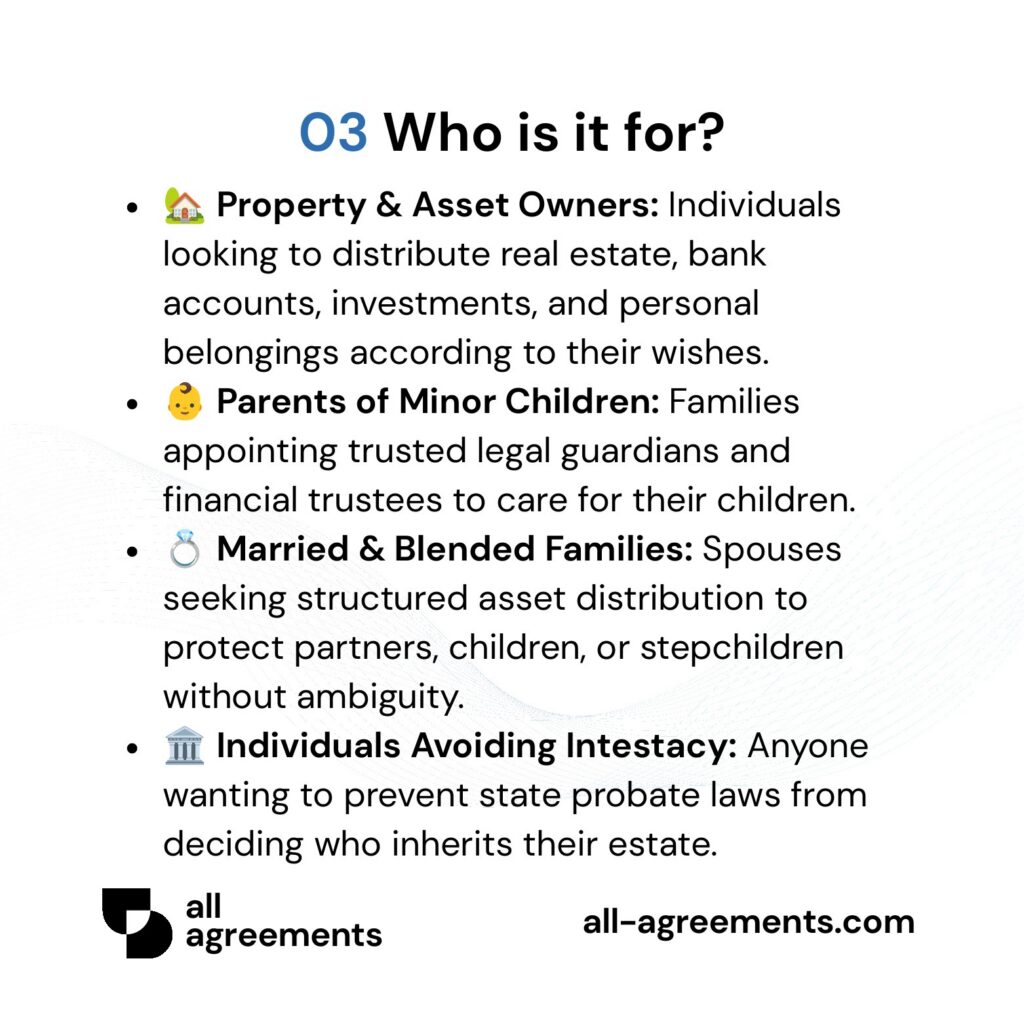
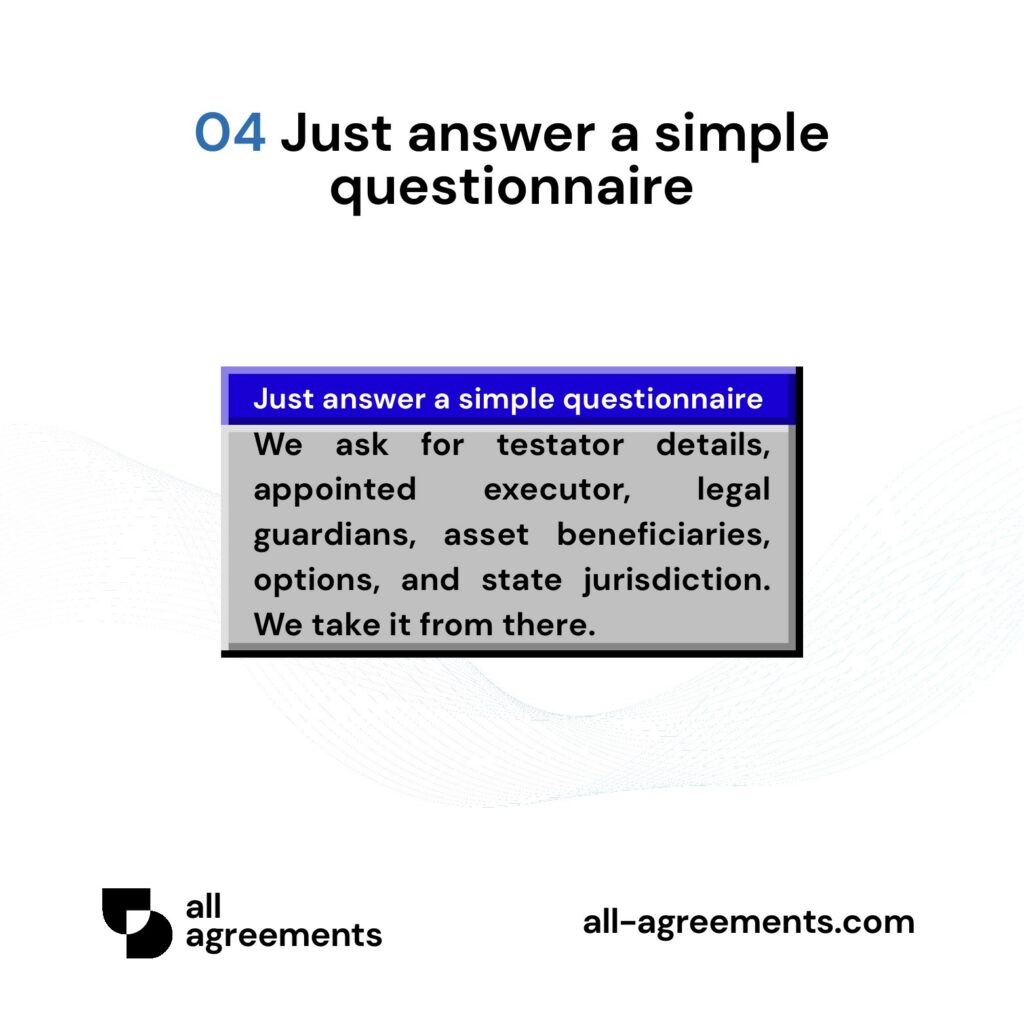
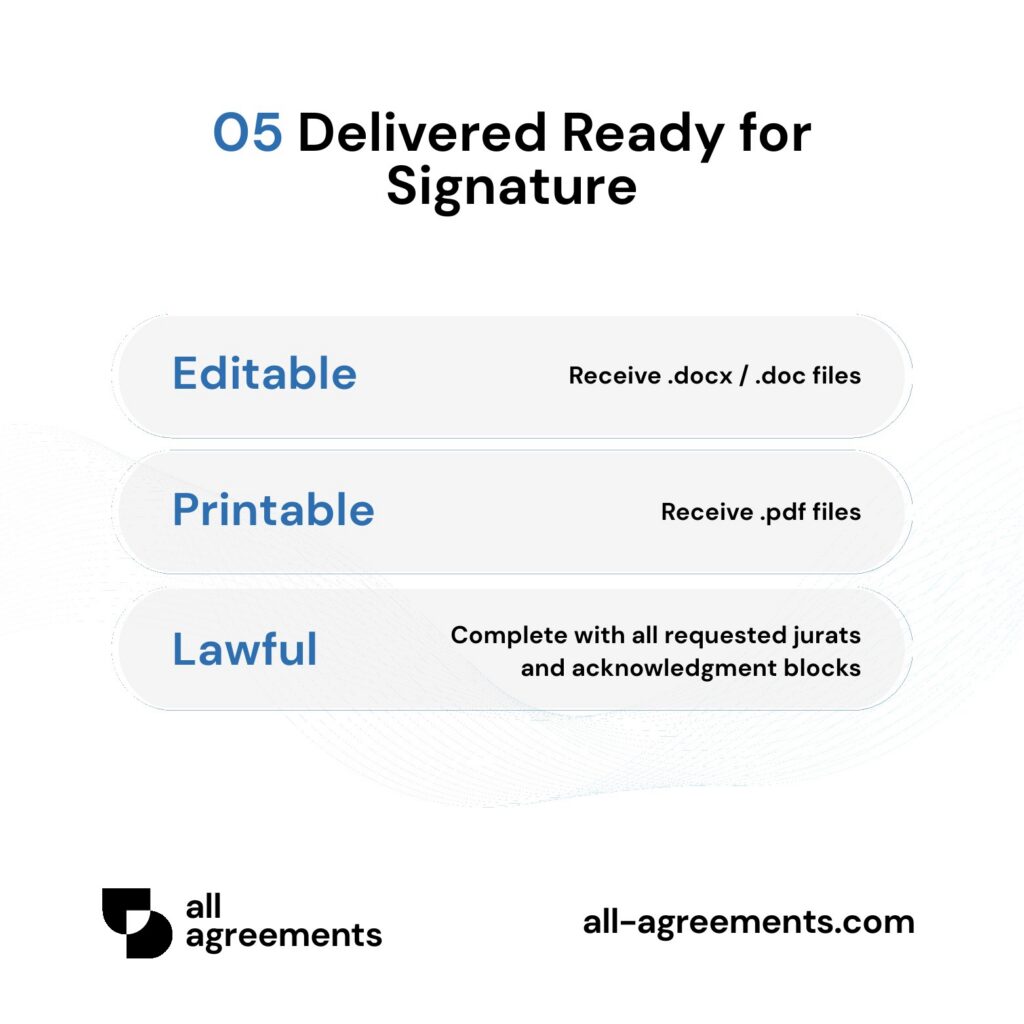
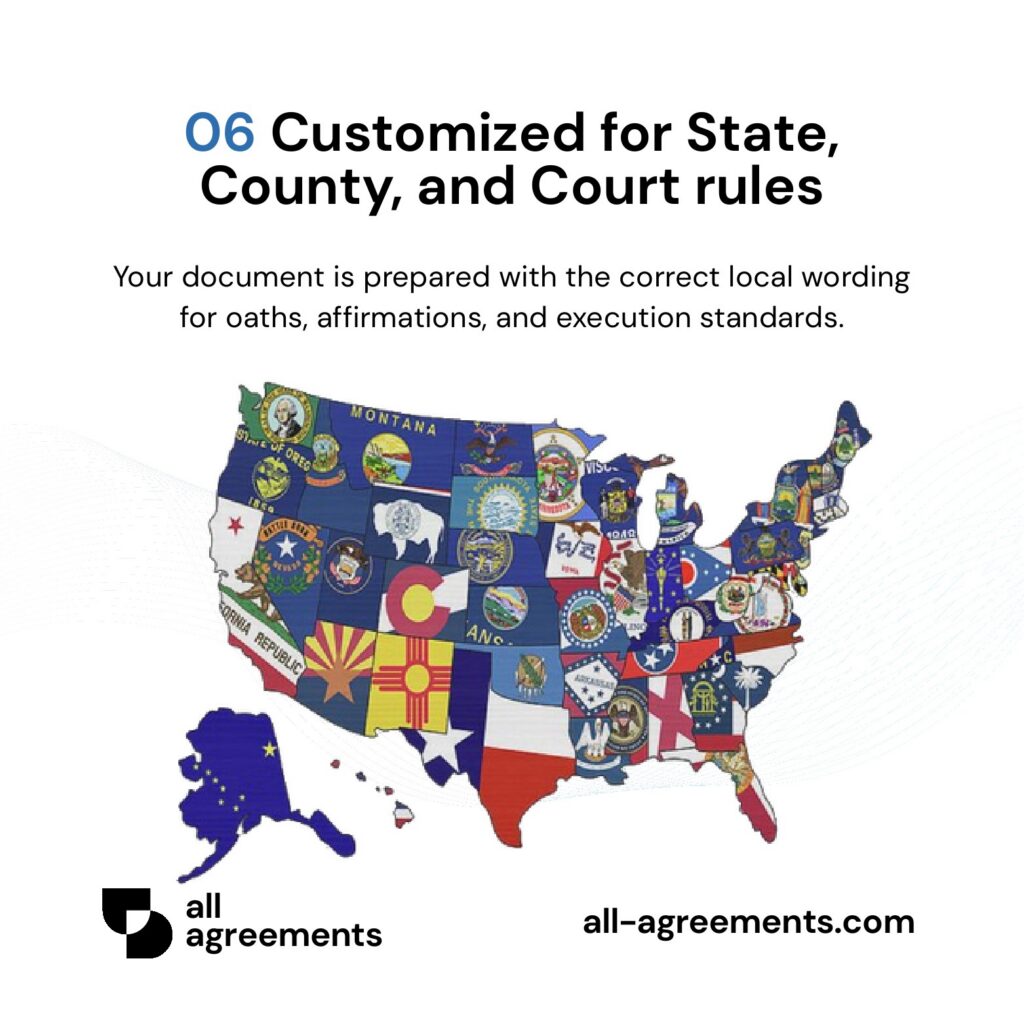


Last Will and Testament
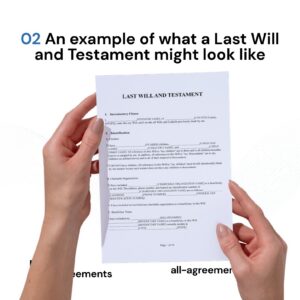
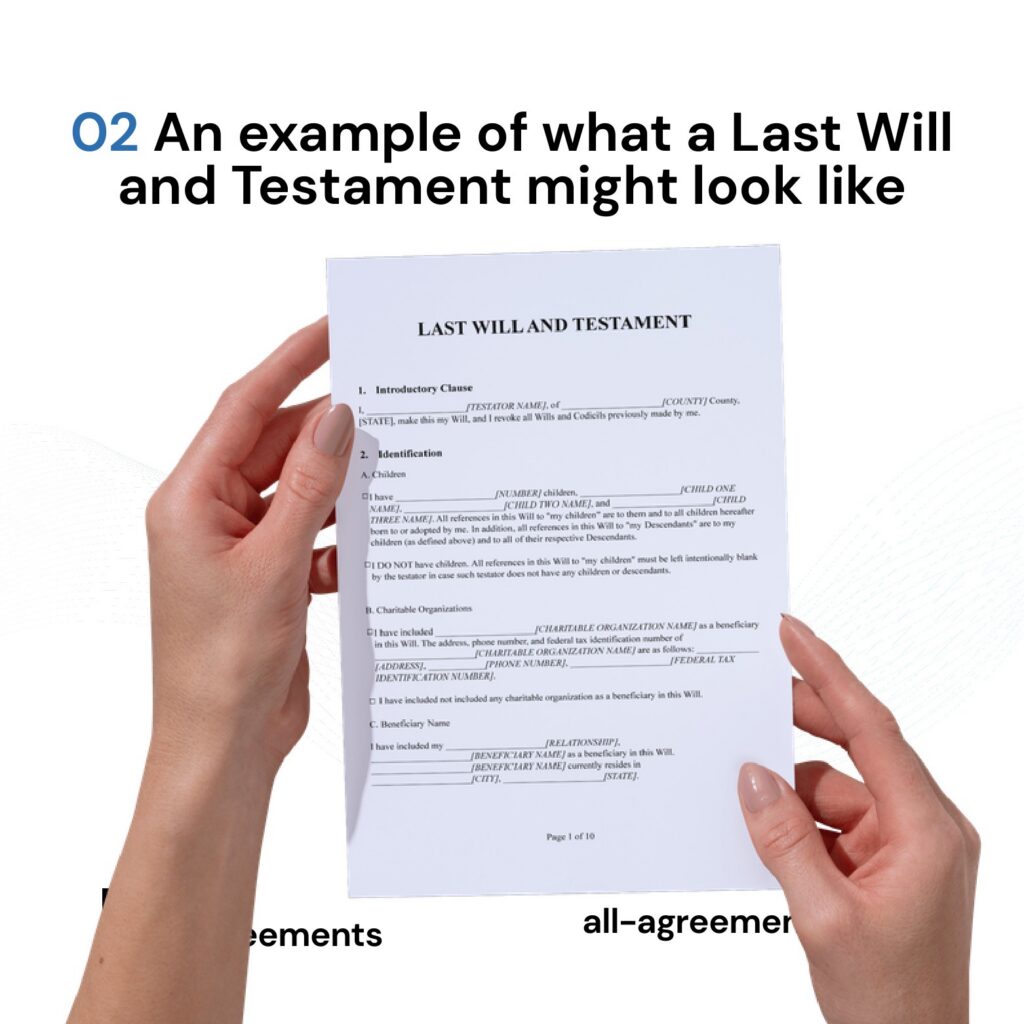
Last Will and Testament preparation for U.S. individuals organizing beneficiaries, executors, asset distribution, guardianship nominations, and final wishes.
Document specific gifts, the residuary estate, minor beneficiary instructions, debts, charitable gifts, funeral wishes, and important estate planning details.
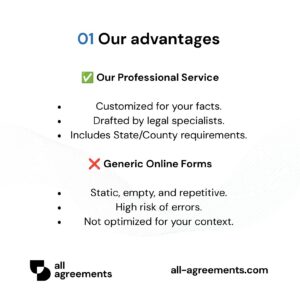
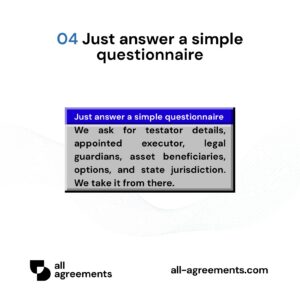
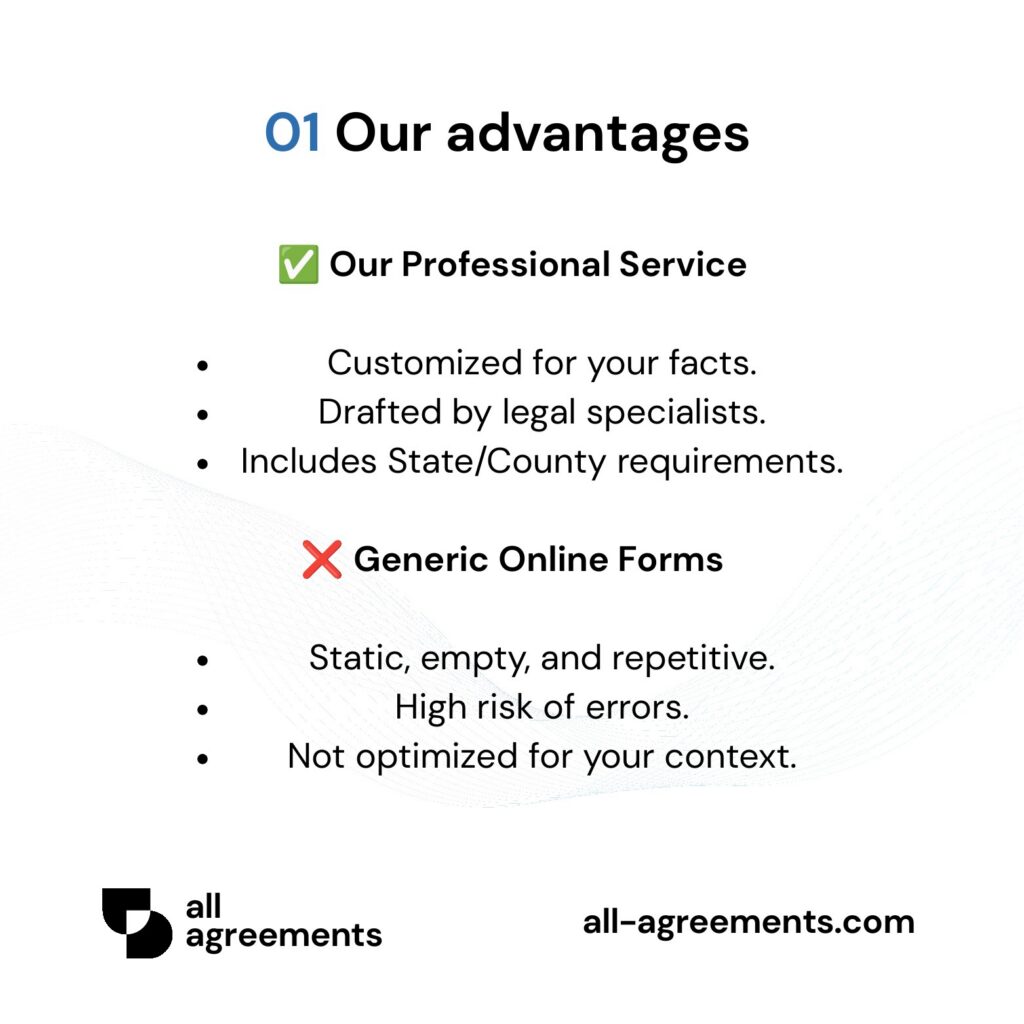
- Custom-Prepared Will and Testament: Structured using the Testator, family, beneficiary, executor, asset, guardian, and estate information you provide.
- Clear Asset Distribution: Organize real estate, financial accounts, vehicles, personal property, business interests, specific gifts, and the residuary estate.
- Family and Final Instructions: Address minor children, guardian nominations, trusts, debts, funeral wishes, charitable gifts, prior wills, witnesses, and execution details.
💡 Need more information before ordering? Explore our full Last Will and Testament Preparation Service.
Estate Taxes and Financial Planning
Many people worry about how taxes will affect their estate. In reality, tax planning depends largely on the size and structure of an individual’s assets. Connecticut is notable for having a state-level estate tax, though it has unified its exemption threshold with the federal estate tax exemption.
Estate planning should also consider other Connecticut-specific financial and tax issues such as:
- Capital gains tax and the step-up in basis at death
- Local property tax exemptions for eligible residents
- Income tax implications on inherited retirement accounts
- Business succession planning
- Charitable giving strategies
Individuals with substantial investments, real estate holdings, or business interests often benefit from coordinating estate planning with financial and tax professionals. Regardless of estate size, organizing financial records and maintaining updated beneficiary information can simplify administration for future heirs.
Updating Your Estate Plan
Estate planning should not be viewed as a document that is signed once and never reviewed again. As life changes, estate planning documents should be evaluated to ensure they still reflect current wishes and circumstances.
Many people review their plans after major events such as:
- Marriage, civil union, or divorce
- Birth or adoption of a child
- Death of a spouse, trustee, or beneficiary
- Purchasing or selling Colorado real estate
- Starting or selling a business
- Retirement
- Significant changes in financial assets
Even without major life events, reviewing an estate plan every few years helps ensure documents remain accurate and effective under changing state laws.
Protecting Family Assets
One of the primary goals of estate planning is preserving family assets for future generations. Depending on individual circumstances, planning strategies may focus on:
- Protecting a primary residence or mountain real estate investments
- Preserving family-owned businesses or agricultural land
- Providing structured inheritances for children or grandchildren
- Supporting family members with special needs through Special Needs Trusts
- Coordinating life insurance and retirement assets
In Connecticut, high property values and closely held businesses are often central components of estate plans, requiring thoughtful structuring to maintain continuity and protect asset value. Thoughtful planning helps families preserve these assets while reducing uncertainty during estate administration.
Common Estate Planning Mistakes
Many estate planning problems arise not because documents are missing entirely, but because they are incomplete or outdated. Common mistakes include:
- Not Having a Will or Trust: Without valid legal documents, Colorado’s default intestacy rules and probate courts determine how property is distributed.
- Forgetting to Update Beneficiaries: Outdated beneficiary designations on financial accounts can override a written trust or will, resulting in assets passing to unintended individuals.
- Failing to Fund a Living Trust: Creating a trust but failing to retitle real estate or bank accounts into the trust’s name renders the trust ineffective for avoiding probate.
- Failing to Prepare Powers of Attorney: Without financial or healthcare decision-making documents, loved ones may need to seek court conservatorship or guardianship before assisting an incapacitated family member.
- Choosing Fiduciaries Without Careful Consideration: Personal representatives, trustees, and agents should be individuals who are trustworthy, organized, and capable of handling significant responsibilities.
- Assuming Estate Planning Is Only for Wealthy Individuals: Estate planning benefits families of every income level by providing clear instructions, avoiding court delays, and protecting loved ones.
Estate Planning for Business Owners
Business ownership adds an additional layer of complexity to estate planning in Connecticut. Whether operating a manufacturing firm in New Britain, a tech or financial venture in Fairfield County, or a local service business in New Haven or Hartford, planning for business succession is essential.
Without proper planning, a business may face:
- Operational disruption after the owner’s death or incapacity
- Disputes among heirs, co-owners, or partners
- Forced liquidation of business assets
- Loss of value due to lack of leadership continuity
Common estate planning tools for business owners include:
- Buy-sell agreements between co-owners
- Succession planning documents outlining leadership transition
- Trust structures to manage corporate or LLC ownership interests
- Key-person life insurance policies designed to fund business transitions
A well-prepared plan helps ensure the business can continue operating smoothly while ownership is transferred in an organized manner.
Planning for Blended Families
Blended families are increasingly common in Connecticut, and estate planning becomes especially important in these situations. Without clear documentation, conflicts may arise between a surviving spouse, children from previous relationships, and other heirs.
Key planning considerations include:
- Balancing inheritances between a spouse and children from prior relationships
- Clearly defining separate vs. marital assets under Connecticut law
- Using trusts to control how and when assets are distributed
- Naming guardians for minor children
- Preventing unintended disinheritance due to default state rules
In blended family situations, estate planning is less about general distribution and more about precise control over timing, conditions, and beneficiaries.

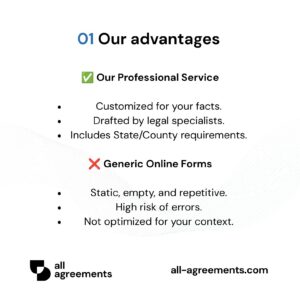

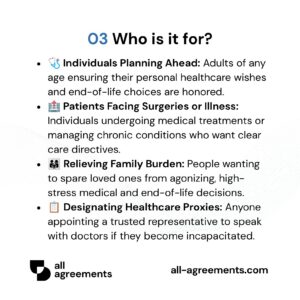



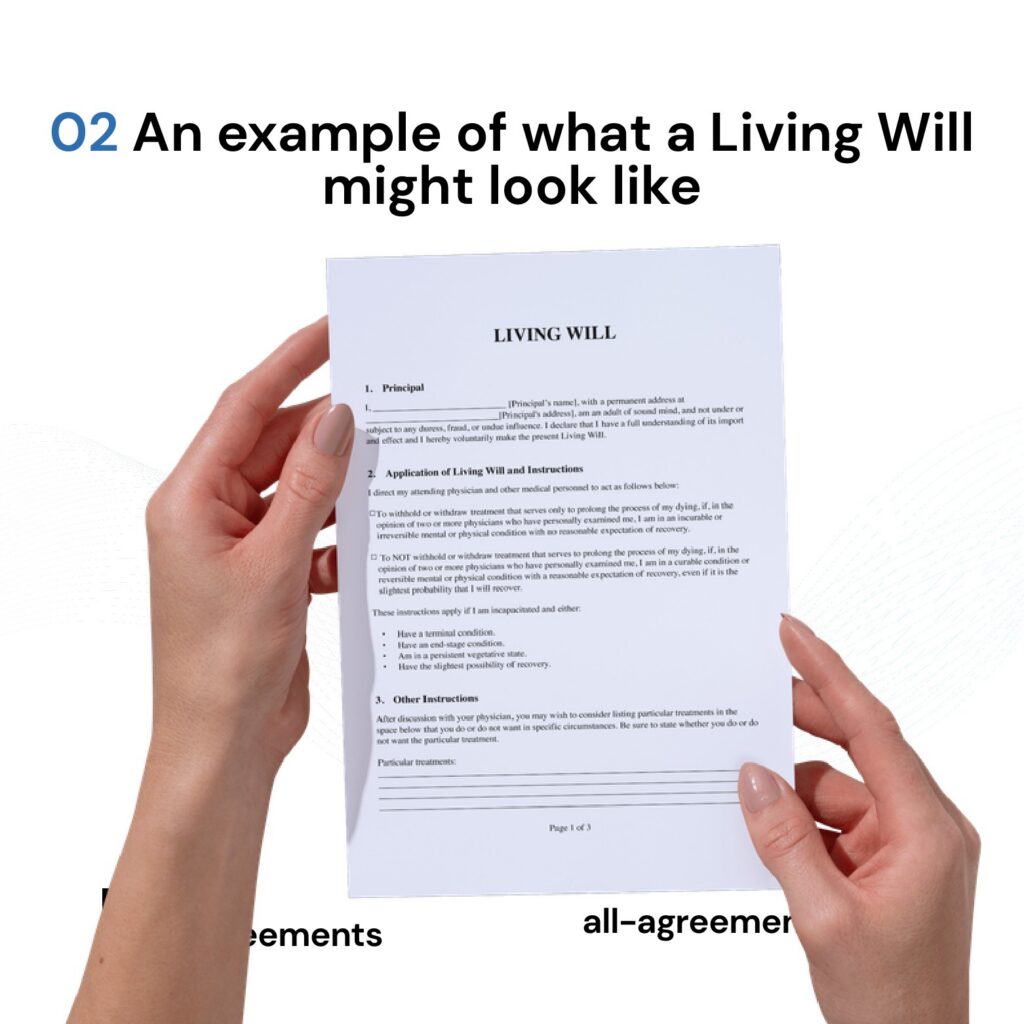
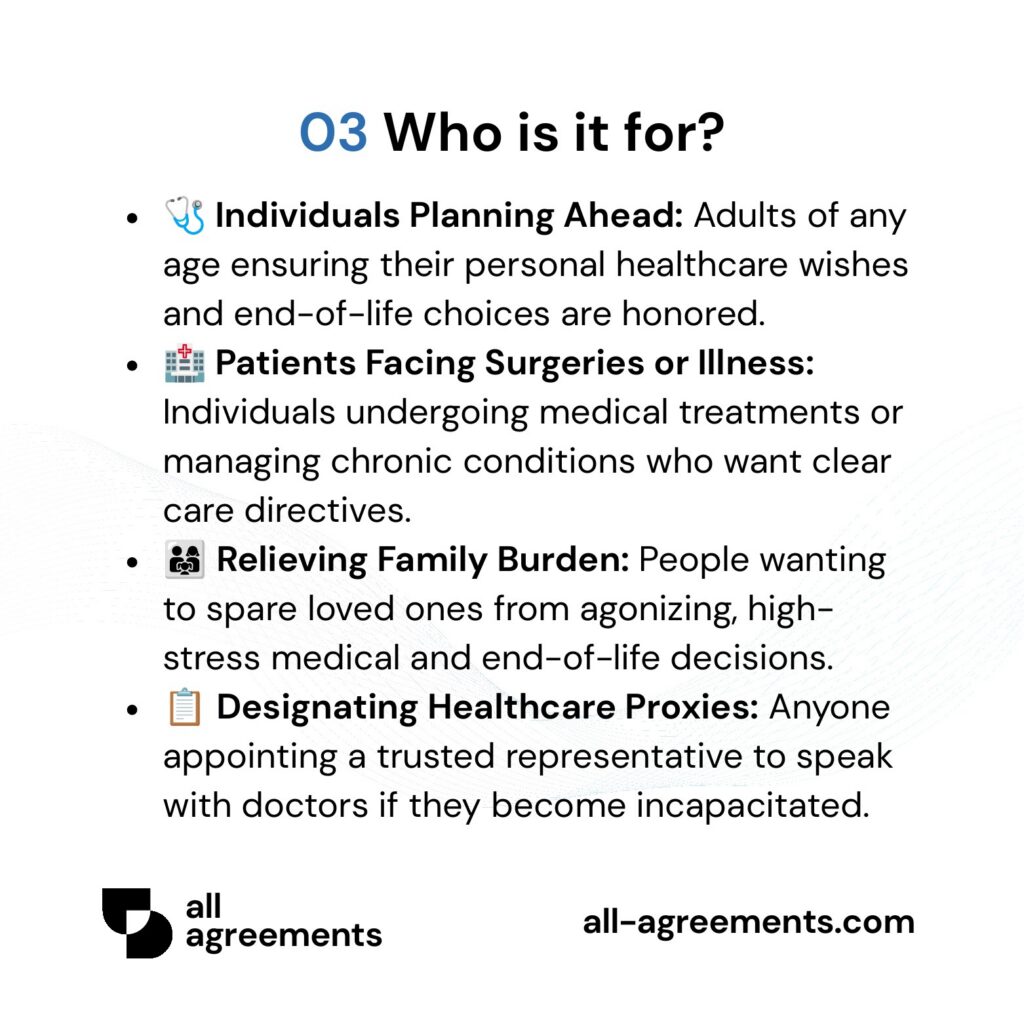
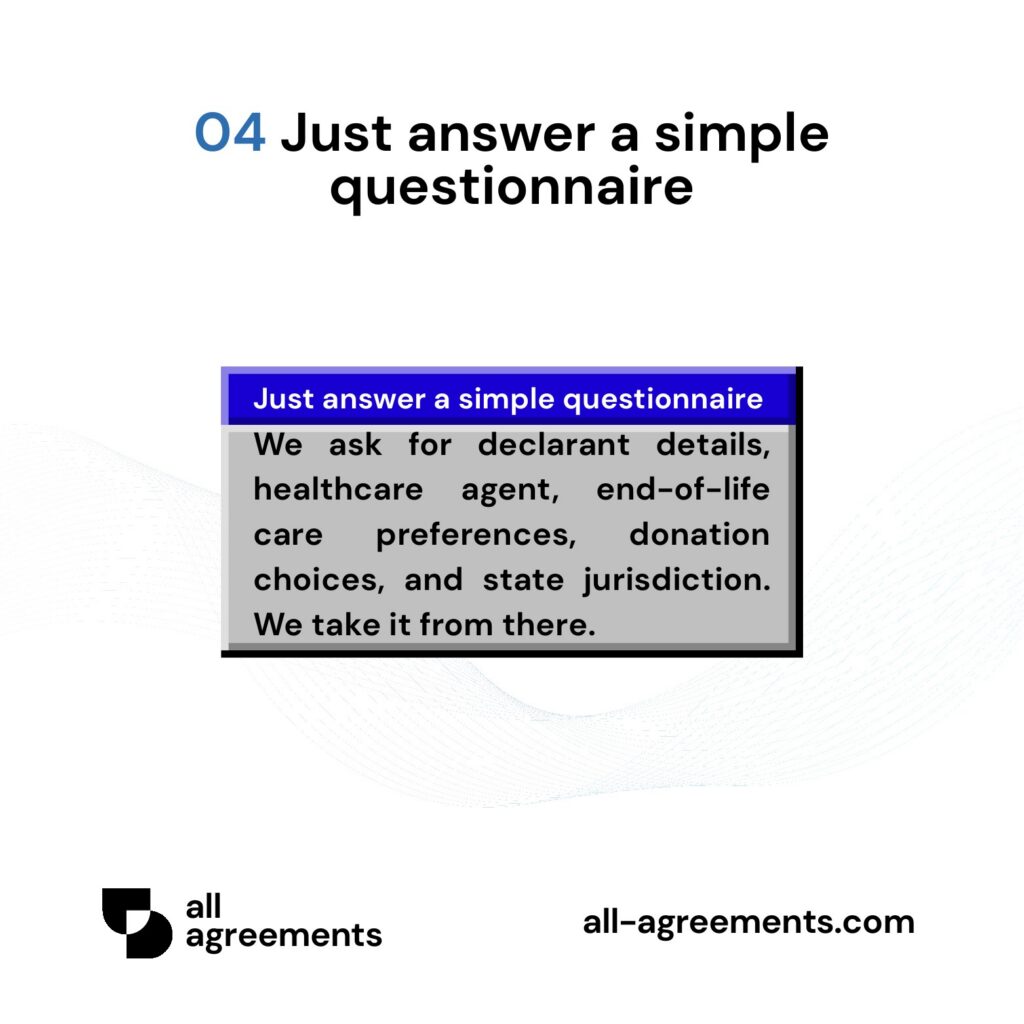
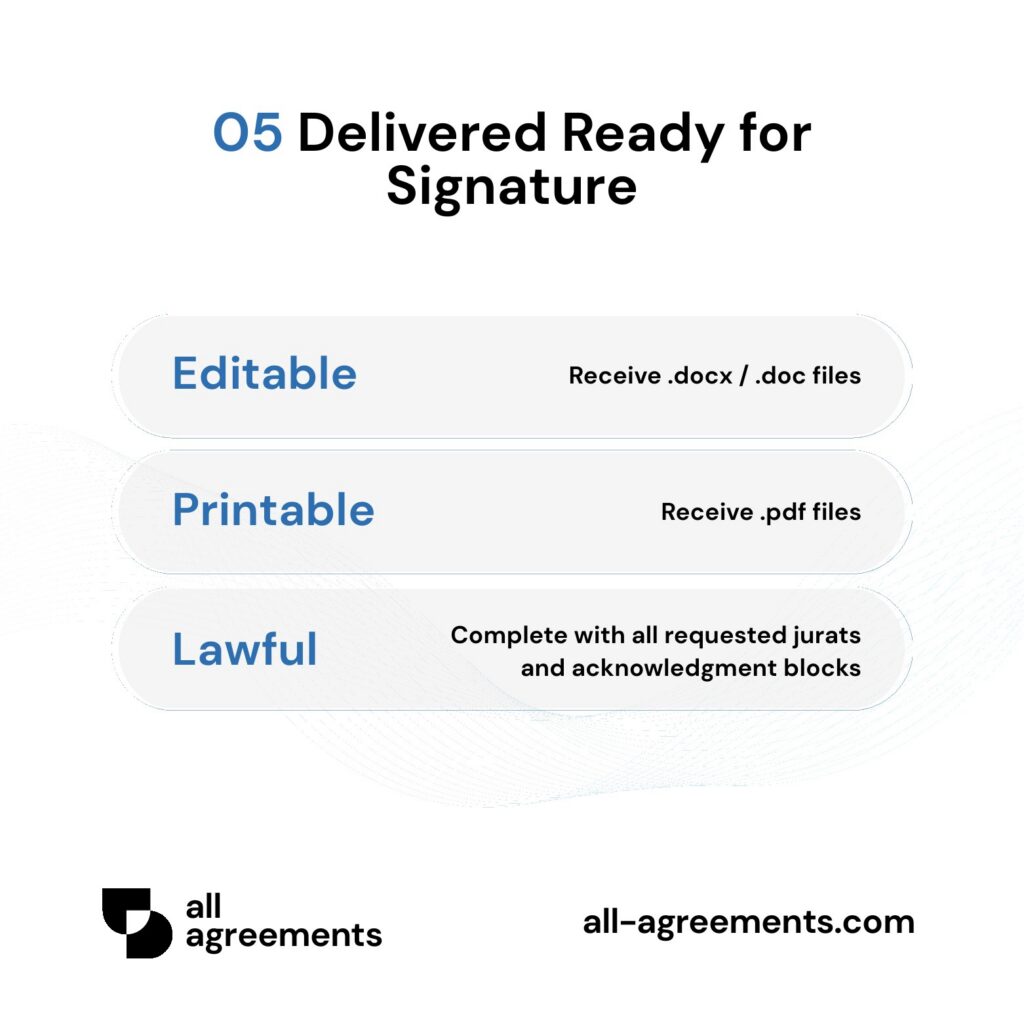


Living Will
Living Will preparation for U.S. individuals documenting medical treatment, life-sustaining care, comfort care, and end-of-life preferences.
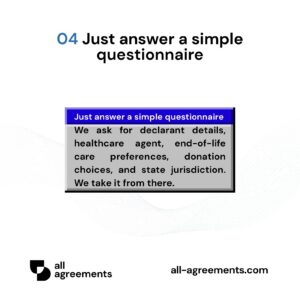
Record resuscitation, ventilation, artificial nutrition, hydration, pain management, healthcare agent, HIPAA, organ donation, and execution instructions.
- Custom-Prepared Advance Healthcare Directive: Structured using the Declarant’s medical, treatment, comfort care, agent, privacy, and personal preference information.
- Clear Treatment Instructions: Address life-sustaining care, CPR, ventilation, artificial nutrition, hydration, terminal conditions, and permanent unconsciousness.
- Healthcare and Execution Details: Organize pain management, organ donation, religious preferences, HIPAA authorization, prior directives, witnesses, and notarization.
💡 Need more information before ordering? Explore our full Living Will Preparation Service.
Digital Assets and Online Accounts
Modern estate planning in Connecticut also includes digital property, which is often overlooked but increasingly important under the Revised Uniform Fiduciary Access to Digital Assets Act (RUFDADA).
Digital assets may include:
- Online banking and investment accounts
- Email accounts
- Social media profiles
- Cloud storage and digital photos
- Cryptocurrency and digital wallets
- Online business accounts and subscriptions
Without proper planning, these assets may become difficult or impossible for family members to access. A comprehensive estate plan should address:
- Who has legal authority to access digital accounts
- How passwords and credentials are stored or shared securely
- Whether accounts should be deleted, memorialized, or transferred
- Specific instructions for managing cryptocurrency or digital business assets
As financial and personal activity moves online, digital estate planning has become a necessary part of modern planning in Connecticut.
Best Practices for Estate Planning in Connecticut
A strong estate plan is not just a set of documents—it is an ongoing system that evolves with life changes. Recommended best practices include:
- Create a basic estate plan early, even if assets are limited.
- Utilize revocable living trusts to simplify or avoid probate court involvement.
- Keep documents updated after major life events.
- Ensure beneficiary designations and trust funding match the overall plan.
- Communicate general intentions with trusted family members and fiduciaries.
- Organize financial, property, and digital records in an accessible place.
- Review plans every few years to ensure accuracy under current state laws.
Across Connecticut, from suburban families to urban professionals and business owners, the most effective estate plans are those that are clear, properly funded, updated, and consistently maintained.
Frequently Asked Questions
Do I need a will if I don’t own much property?
Yes. Even modest estates benefit from a will or basic directive because it clarifies your wishes, names guardians for minor children, and helps avoid default intestacy rules in Connecticut.
Does a will avoid probate in Connecticut?
No. A will typically serves as the primary document guiding the Connecticut Probate Court process. To avoid probate, Connecticut residents frequently use revocable living trusts.
What happens to jointly owned property in Connecticut?
Property owned as joint tenants with right of survivorship (Conn. Gen. Stat. § 47-14a) typically passes directly to the surviving owner outside of probate.
Can I change my estate plan later?
Yes. Estate planning documents (such as wills, revocable trusts, and powers of attorney) can and should be amended or revoked as your life circumstances change.
Is estate planning only for older adults?
No. Adults of all ages benefit from having essential legal documents in place, particularly powers of attorney and healthcare directives (Advance Directives) to cover unexpected incapacity.
Conclusion
Estate planning in Connecticut is about more than distributing assets—it is about ensuring stability, clarity, and protection for loved ones during some of life’s most difficult moments. From wills and revocable living trusts to durable powers of attorney, advance directives, and digital assets, each component plays a role in creating a complete and effective plan.
Whether managing a primary residence in Hartford, shoreline property in Greenwich, retirement assets in Stamford, or business interests in New Haven, thoughtful planning helps reduce uncertainty and prevent unnecessary legal complications.
Ultimately, the strongest estate plans are those that reflect real-life circumstances, account for Connecticut tax and probate laws, are regularly updated, and clearly communicate intentions. Careful planning today provides both practical protection and long-term peace of mind for you and your family.
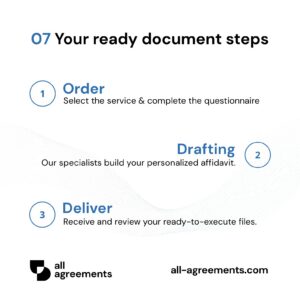
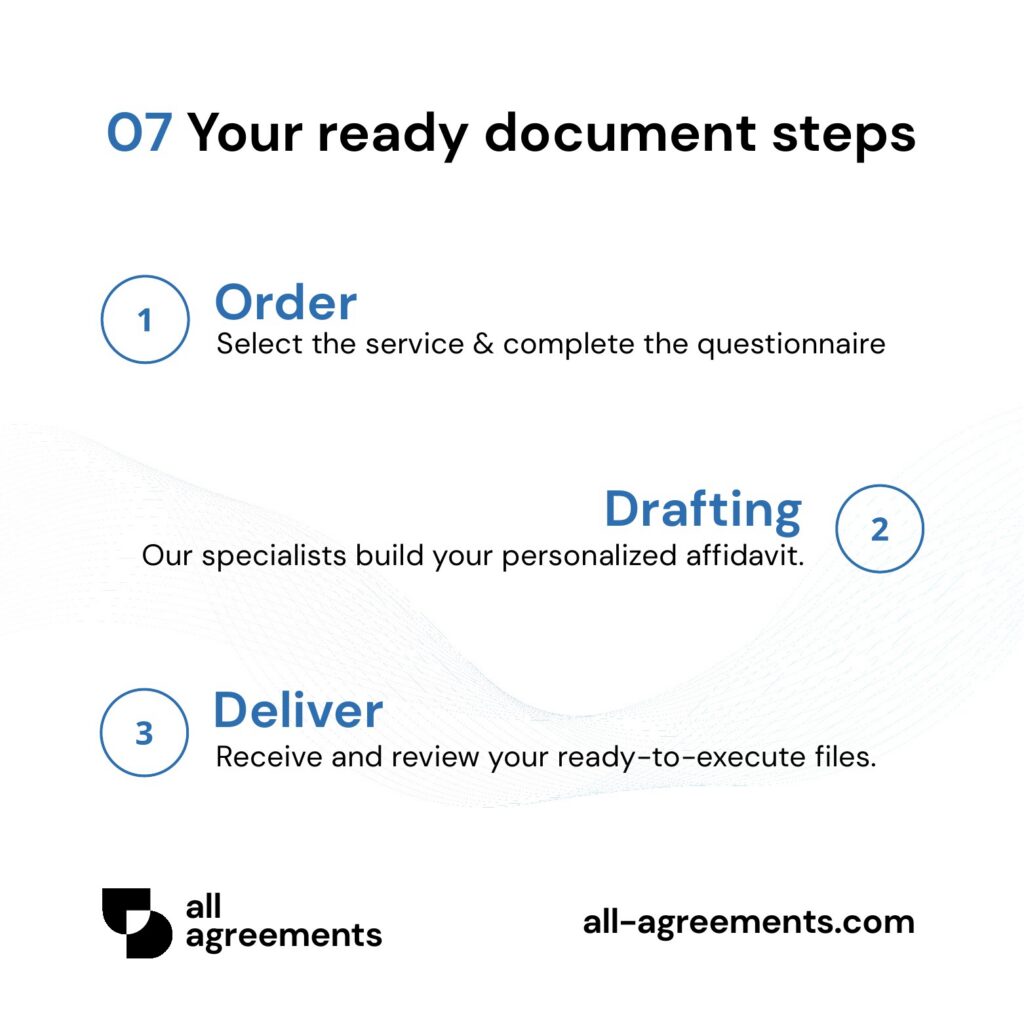
How It Works
Get started in just four simple steps
01
Select a document type
Choose the type of document from our catalog or contract us.
02
Provide details or requirements
Provide your specific requirements, details, and guidelines.
03
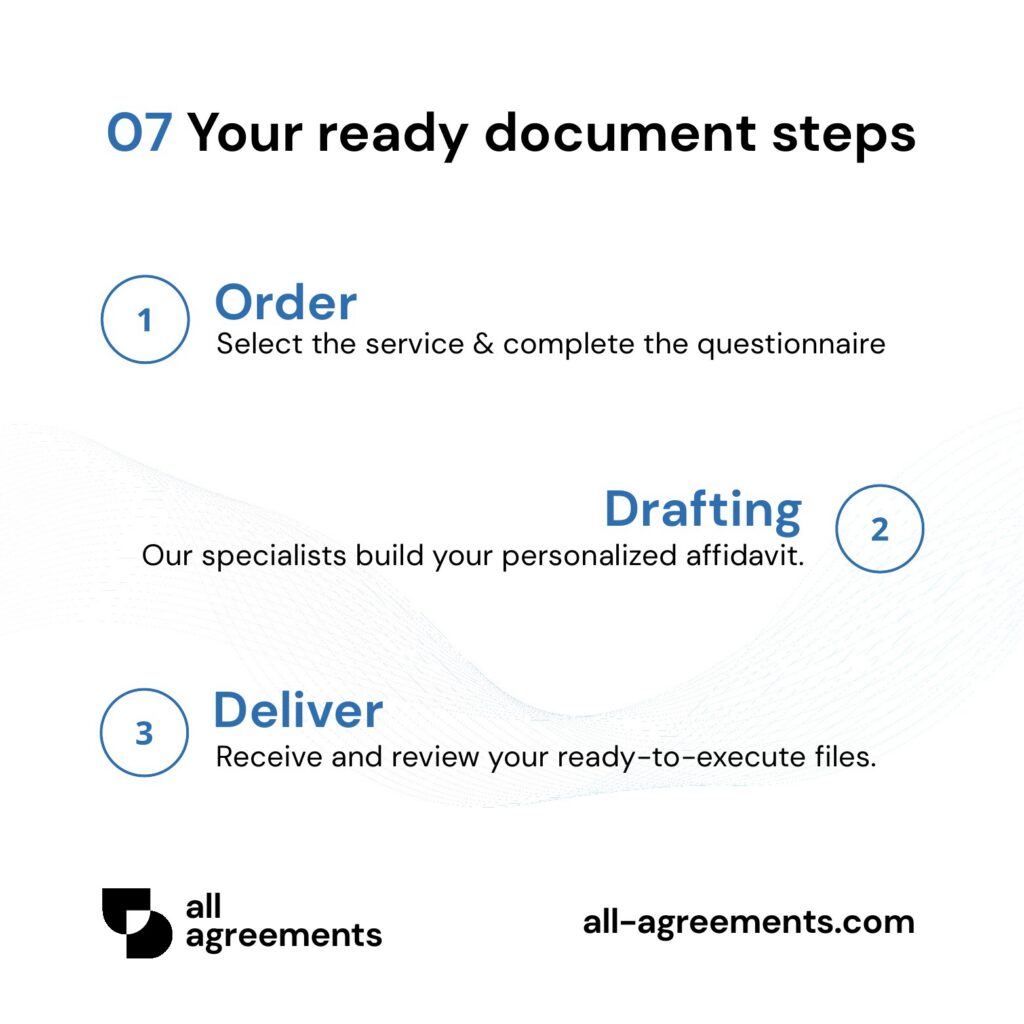
We prepare your document
Our consulting experts review your request and draft a tailored document.
04
You receive a printable file
Receive your ready-to-use, professional file in different formats.
Legal Context
Legal requirements in the state may vary depending on the type of document and situation.
Common use cases include:
- Business Agreements
- Consulting Agreements
- Personal Documents
- Real Estate Agreements
- Rental Agreements
- Packages Super Offer
Users should always ensure they select the correct document type for their specific situation.
Related Pages
United States Overview
Other States
Explore Legal Articles
Learn more about how legal documents work in the state:
- Connecticut Business Contracts Explained
- Connecticut Employment Contracts
- Connecticut Estate Planning
- Connecticut Power of Attorney Explained
- Connecticut Rental Laws Overview
- Connecticut Real Estate Transactions
- Connecticut Worker Classification
- How Connecticut Bills of Sale Work
- How Eviction Works in Connecticut
On sale products
-
Rent Receipt Template
Original price was: $14.99.$5.99Current price is: $5.99. -
Move-In Checklist
Original price was: $19.99.$8.99Current price is: $8.99. -
Move-Out Checklist
Original price was: $19.99.$8.99Current price is: $8.99. -
Landlord Reference Letter
Original price was: $19.99.$8.99Current price is: $8.99. -
Tenant Reference Letter
Original price was: $19.99.$8.99Current price is: $8.99.


