
Understanding Real Estate Transactions in California
A real estate transaction is the legal process of transferring ownership of property from one party to another. In California, this process is governed by statutory law (including the California Civil Code), property law principles, and standard real estate practices that ensure the transfer is legally valid and properly documented.
Most real estate transactions involve:
- A buyer and a seller
- A written purchase agreement
- A title review process
- Financing (in many cases)
- Statutory disclosures and property inspections
- A formal closing and escrow process
Although the process may appear straightforward, real estate transactions often involve multiple professionals, including real estate agents, lenders, title and escrow companies, and real estate attorneys.
Because property is a high-value asset, even small mistakes in documentation or procedure can lead to significant legal or financial consequences.
The Role of the Purchase Agreement
The purchase agreement—most commonly the California Association of REALTORS® (C.A.R.) Standard Residential Purchase Agreement (RPA)—is the foundation of any real estate transaction in California. It is a legally binding contract that outlines the terms of the sale between buyer and seller.
A typical purchase agreement includes:
- Purchase price
- Property description
- Escrow closing date
- Earnest money deposit (initial deposit)
- Financing terms
- Contingencies (inspection, appraisal, financing, disclosure review)
- Included or excluded property items
- Responsibilities of each party
Once signed by both parties, the agreement governs the transaction and establishes each side’s legal obligations.
In practice, most disputes in California real estate transactions arise from misunderstandings, timeline defaults, or unclear contract terms, making careful drafting and review essential.
Earnest Money Deposits
Earnest money (often called the initial deposit) is a deposit made by the buyer to demonstrate serious intent to purchase the property.
Key points about earnest money include:
- It is typically held in escrow by a neutral third-party escrow company
- It is applied toward the purchase price at closing
- It may be refundable depending on contract contingencies and timely written releases
- It shows good faith in the transaction
Common contingencies that may allow a buyer to recover earnest money include:
- Failed home inspection or unsatisfied physical condition disclosures
- Financing denial
- Low appraisal
- Title issues or undisclosed encumbrances
In California, earnest money disputes often depend heavily on the specific language of the purchase agreement, liquidated damages provisions, and whether contractual contingency removals were executed properly.
Financing in California Real Estate
Most residential real estate transactions in California involve some form of financing, typically through a mortgage lender.
The financing process may include:
- Loan application and pre-approval
- Credit review
- Income and asset verification
- Property appraisal
- Loan underwriting approval
Financing contingencies in the purchase agreement protect buyers by allowing them to cancel the contract if they are unable to secure a mortgage under agreed terms.
Cash purchases are also common in high-demand markets, especially for competitive urban housing, investment properties, or agricultural land transactions.
Property Types in California
Real estate transactions in California involve a wide range of property types, each with its own considerations.
Residential Property
Includes single-family homes, condos, and townhouses. Residential transactions are the most common and typically involve standardized purchase agreements and inspection procedures.
Commercial Property
Includes office buildings, retail space, warehouses, and industrial properties. These transactions are often more complex and heavily negotiated.
Vacant & Agricultural Land
Land transactions are common across California—from agricultural acreage in the Central Valley to coastal plots or vineyard estates in Napa and Sonoma—and may involve zoning considerations, water rights, environmental protections, access rights, and utility availability issues.
Investment Property
Includes rental homes, accessory dwelling units (ADUs), and multi-family residential properties, often evaluated based on income potential, local rent control ordinances (such as state tenant protections under AB 1482 or municipal laws), and long-term return on investment.
Role of Real Estate Professionals
Many California real estate transactions involve professionals who help facilitate the process.
These may include:
- Real estate agents and brokers
- Lenders and mortgage brokers
- Escrow officers
- Title insurance companies
- Real estate attorneys
Real estate agents typically assist with market valuation, negotiations, and contract preparation, while escrow officers and title companies handle funds, legal transfer documentation, and ensuring clear title. Real estate attorneys are often involved in complex commercial or high-value residential deals.
Each professional plays a specific role in reducing risk and ensuring the transaction proceeds smoothly.
Home Inspections and Due Diligence
Once a purchase agreement is signed, the buyer typically enters a due diligence period (often 17 days by default under C.A.R. contracts unless negotiated otherwise). This is a critical phase in California real estate transactions where the buyer evaluates the condition of the property and confirms that it meets expectations.
A home inspection is one of the most common due diligence steps. A licensed inspector generally evaluates:
- Roof condition
- Foundation and structural integrity
- Electrical systems
- Plumbing systems
- HVAC systems
- Interior and exterior condition
The purpose of the inspection is not to guarantee perfection, but to identify significant issues that may affect the value or safety of the property.
If problems are discovered, the buyer may:
- Request repairs from the seller
- Negotiate a price reduction or seller credit
- Accept the property as-is
- Cancel the contract if allowed under active contingencies
In California, physical inspection contingencies are a primary mechanism for buyer protection alongside statutory property condition disclosures.
Title Searches and Title Insurance
Before a property can be transferred, a title search is conducted by a title company to verify legal ownership and identify any issues that could affect the buyer’s rights.
A title search may uncover:
- Outstanding mortgages or deeds of trust
- Liens, tax liens, or mechanics’ liens
- Easements and rights-of-way
- Boundary disputes
- Errors in prior deeds or unresolved probate issues
If title issues are found, they must typically be resolved before closing.
To further protect against future claims, buyers (and lenders) obtain title insurance, which provides financial protection if ownership is later challenged due to past defects in the title.
In California, title insurance is a standard part of residential and commercial real estate transactions and is almost universally required by mortgage lenders.


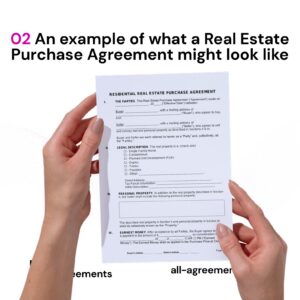
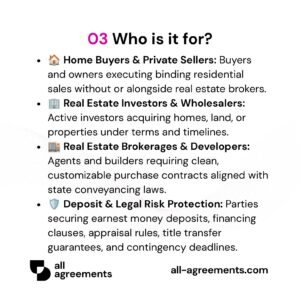
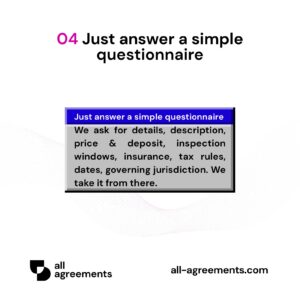
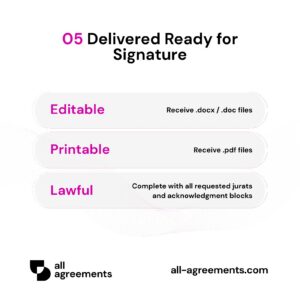

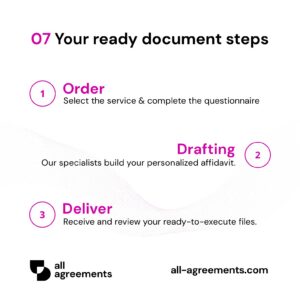


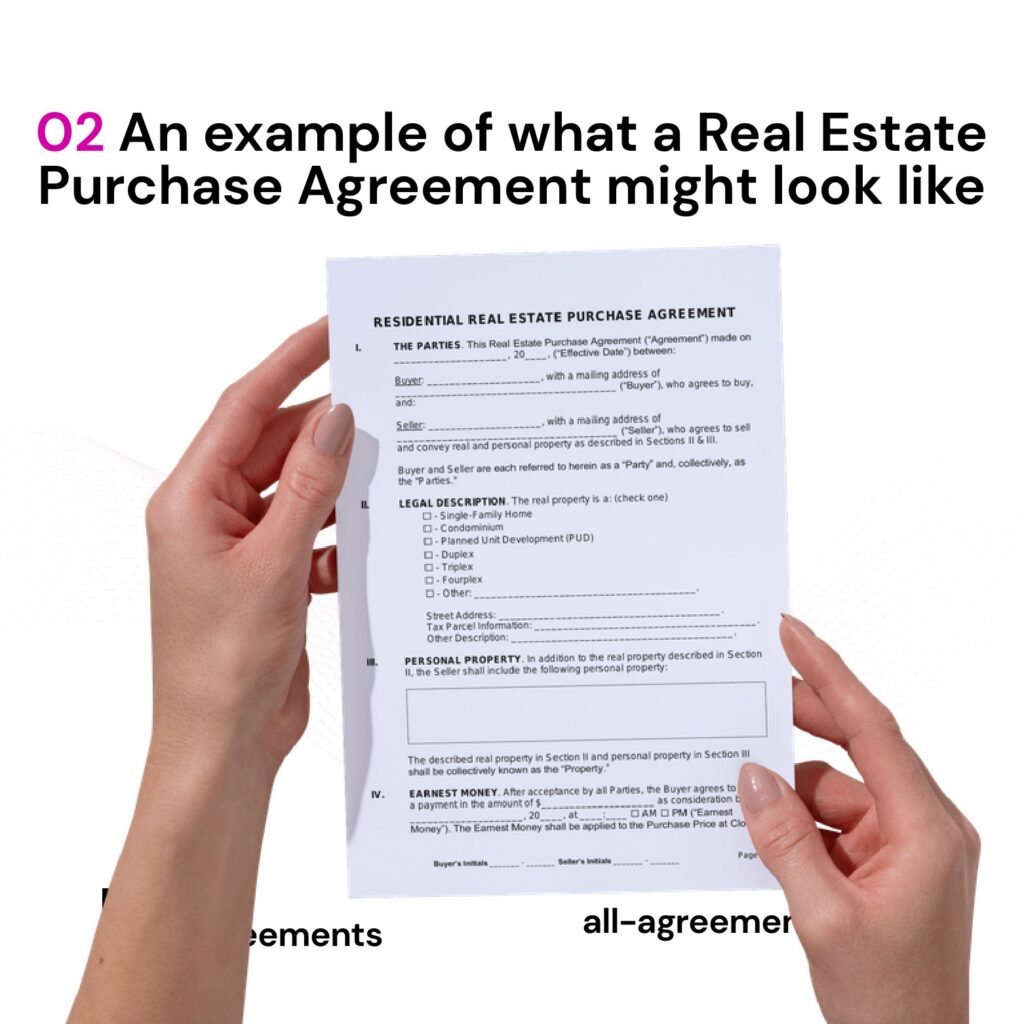

Real Estate Purchase Agreement
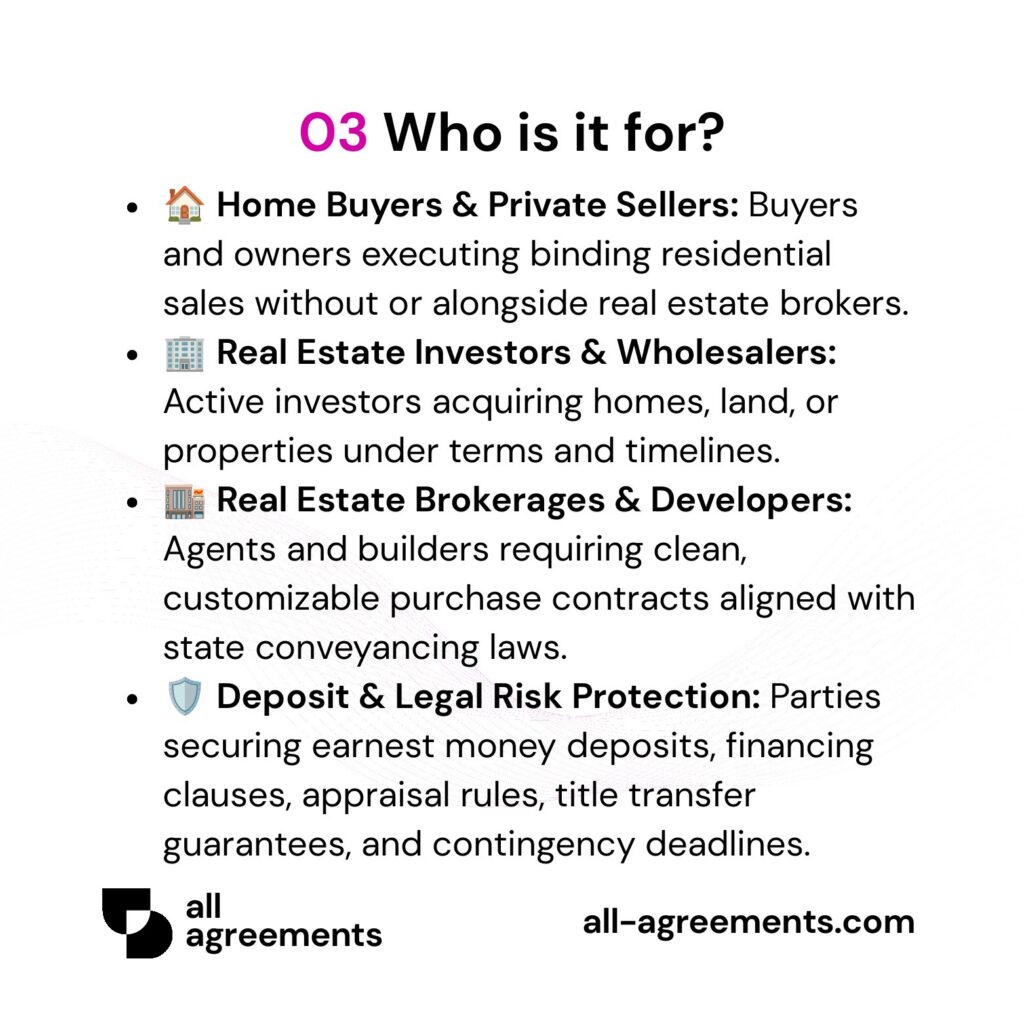
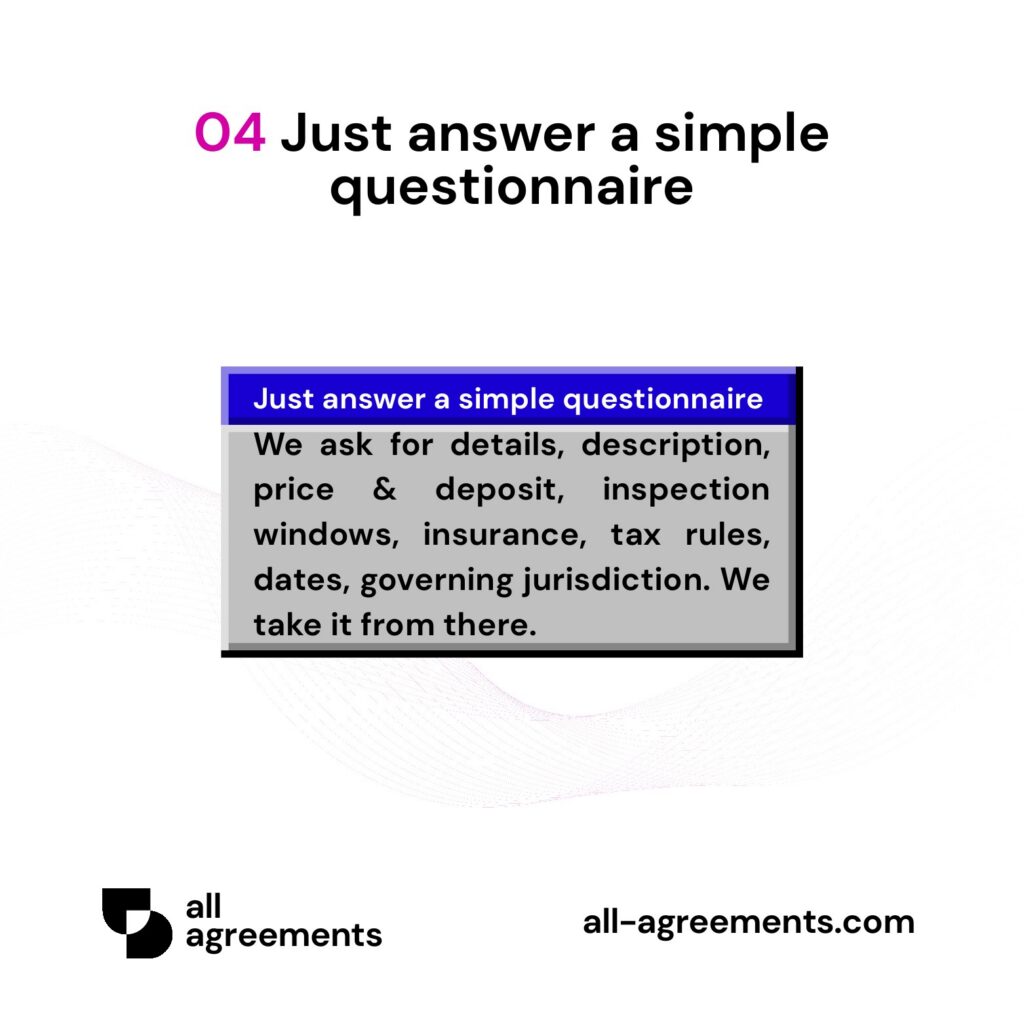
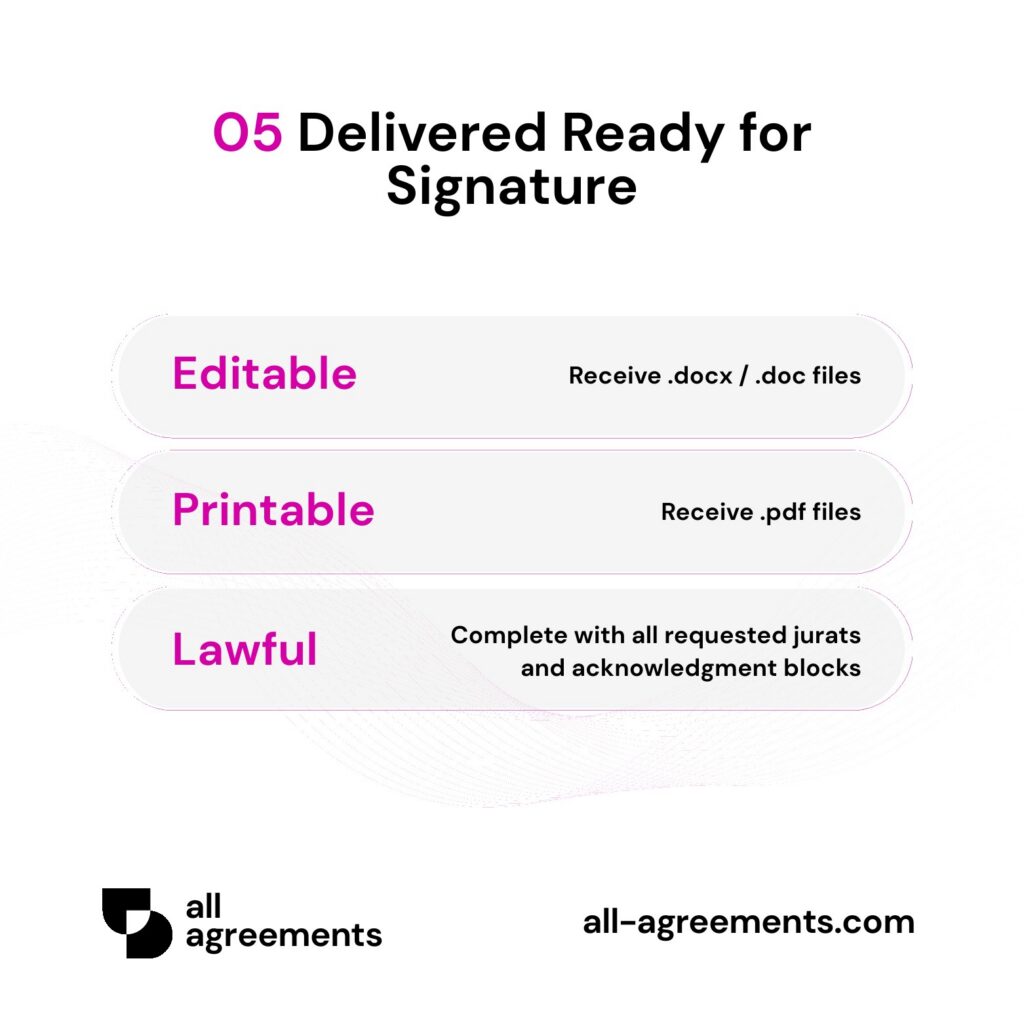
Purchase real estate confidently with a custom-prepared Real Estate Purchase Agreement tailored to your specific transaction.
Document purchase price, financing, contingencies, inspections, closing terms, disclosures, and buyer and seller obligations.
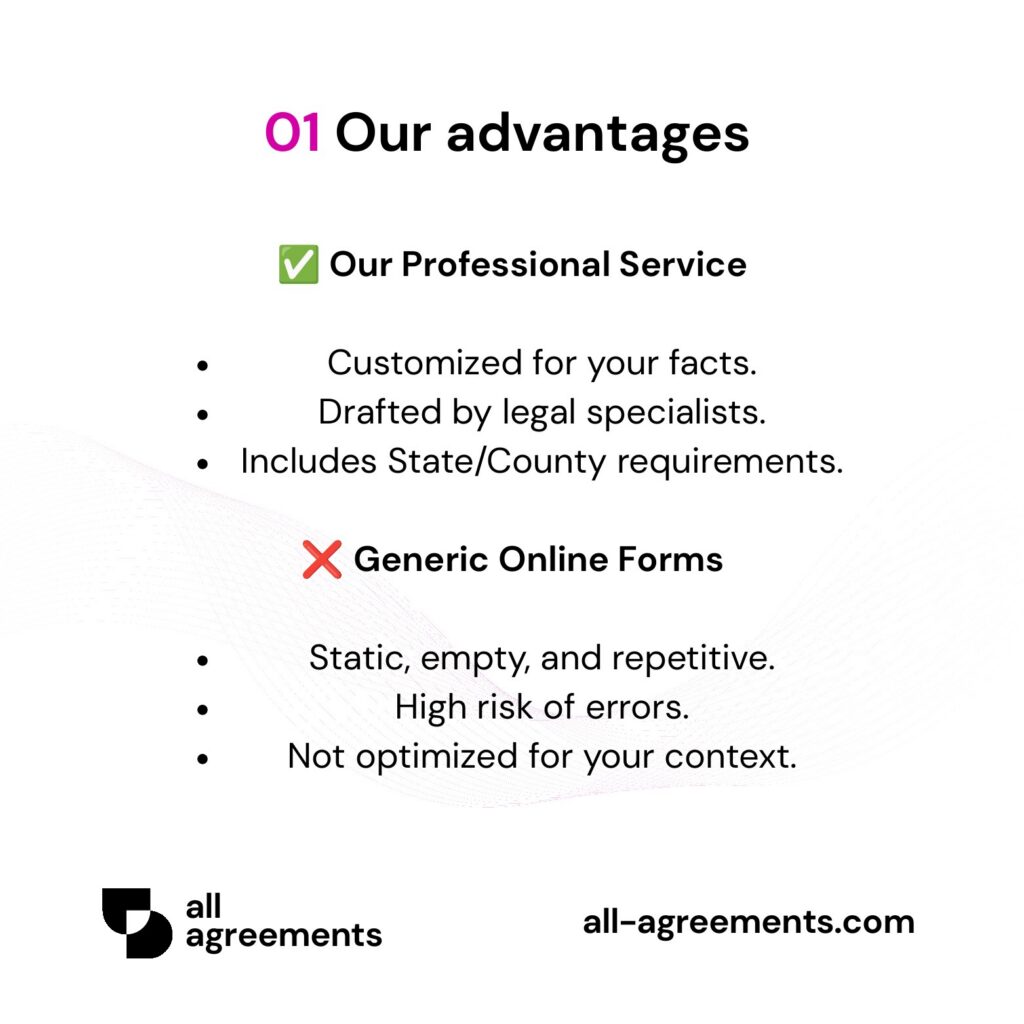
- Custom-Prepared Agreement: Built using your transaction details.
- Complete Purchase Terms: Covers financing, earnest money, inspections, closing, title, and possession.
- Professional Documentation: Prepared for residential, commercial, land, and investment property purchases throughout the United States.
💡 Prepared for buyers, sellers, investors, and real estate professionals across all U.S. states.
Contingencies in Real Estate Contracts
Contingencies are conditions in a purchase agreement that must be satisfied for the transaction to proceed.
Common contingencies include:
Financing Contingency
Protects the buyer if they cannot secure a mortgage under agreed terms.
Inspection Contingency
Allows the buyer to evaluate property condition and negotiate repairs or cancel if necessary.
Appraisal Contingency
Ensures the property value supports the loan amount.
Title Contingency
Ensures the buyer receives clear ownership rights.
Contingencies play a major role in managing risk for both buyers and sellers. They define what happens if certain conditions are not met and help prevent disputes during the transaction process.
Closing Process in California
The closing is the final step in a real estate transaction, where funds are disbursed and ownership of the property is officially transferred from seller to buyer, typically managed through escrow.
The closing process typically includes:
- Final review of closing statements and loan documents
- Signing of legal paperwork before a notary
- Transfer and deposit of buyer funds into escrow
- Payment and payoff of existing liens and closing costs
- Recording of the grant deed in the local county recorder’s office
- Issuance of title insurance policies
In California, closings are usually conducted through neutral escrow companies, title companies, or closing attorneys, depending on regional practice.
Once the deed is recorded with the county recorder, the buyer officially becomes the legal owner of the property.
Closing Costs
Both buyers and sellers may be responsible for various closing costs.
Common buyer costs include:
- Loan origination and processing fees
- Appraisal fees
- Title insurance (lender’s policy)
- Inspection and NHD report fees
- Recording fees and escrow fees
Common seller costs may include:
- Real estate agent commissions
- Title insurance (owner’s policy, per regional custom)
- County and city documentary transfer taxes
- Outstanding mortgage payoff
- Prorated property taxes and HOA transfer fees
The allocation of closing costs is typically negotiated in the purchase agreement, often following established Northern or Southern California regional customs.
Common Buyer Mistakes
Real estate transactions involve multiple steps, and mistakes can be costly. Some common issues include:
Skipping the Inspection
Some buyers waive inspections to make offers more competitive, but this can lead to unexpected repair costs later.
Not Reviewing Contract Terms Carefully
Purchase agreements contain important deadlines and contingencies. Missing these deadlines can result in loss of deposits or contractual rights.
Underestimating Total Costs
Buyers sometimes focus only on the purchase price and overlook closing costs, taxes, and maintenance expenses.
Failing to Verify Property Condition
Relying only on appearance rather than professional evaluation can lead to unexpected structural or system issues.
Common Seller Mistakes
Sellers also face risks during real estate transactions, including:
Incomplete Property Disclosure
Failing to disclose known defects can lead to legal disputes after closing.
Overpricing the Property
Setting an unrealistic price can delay the sale and reduce buyer interest.
Ignoring Contract Deadlines
Sellers must comply with deadlines for repairs, disclosures, and closing requirements.
Poor Preparation of the Property
Homes that are not properly prepared for sale may receive lower offers or extended time on the market.
Seller Disclosures in California
Unlike states that operate under caveat emptor, California is a strict statutory disclosure state under California Civil Code § 1102 et seq. Sellers have a legal duty to fully disclose all known material facts affecting the value or desirability of the property.
Key California disclosure factors include:
- Real Estate Transfer Disclosure Statement (TDS): A mandatory statutory form where sellers disclose known operational defects, structural issues, unpermitted work, or neighborhood nuisances.
- Natural Hazard Disclosure (NHD) Report: Statutory mandate requiring disclosure if the property is located in designated earthquake fault zones, seismic hazard areas, high fire severity zones, wildland fire areas, flood zones, or dam inundation zones.
- Seller Property Questionnaire (SPQ): Frequently used alongside the TDS to provide detailed written responses on property history, water damage, insurance claims, and repairs.
- Environmental & Supplemental Disclosures: Mandatory disclosures regarding lead-based paint (pre-1978 homes), Megan’s Law sex offender database, smoke detector and water heater earthquake bracing compliance, and Mello-Roos/special assessment bonds.
Failing to disclose known material issues or misrepresenting property condition can lead to contract cancellation, severe monetary damages, and statutory liability post-closing.



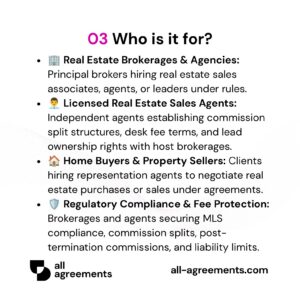
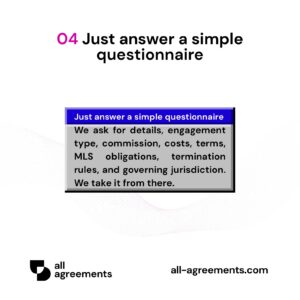





Real Estate Agent Agreement
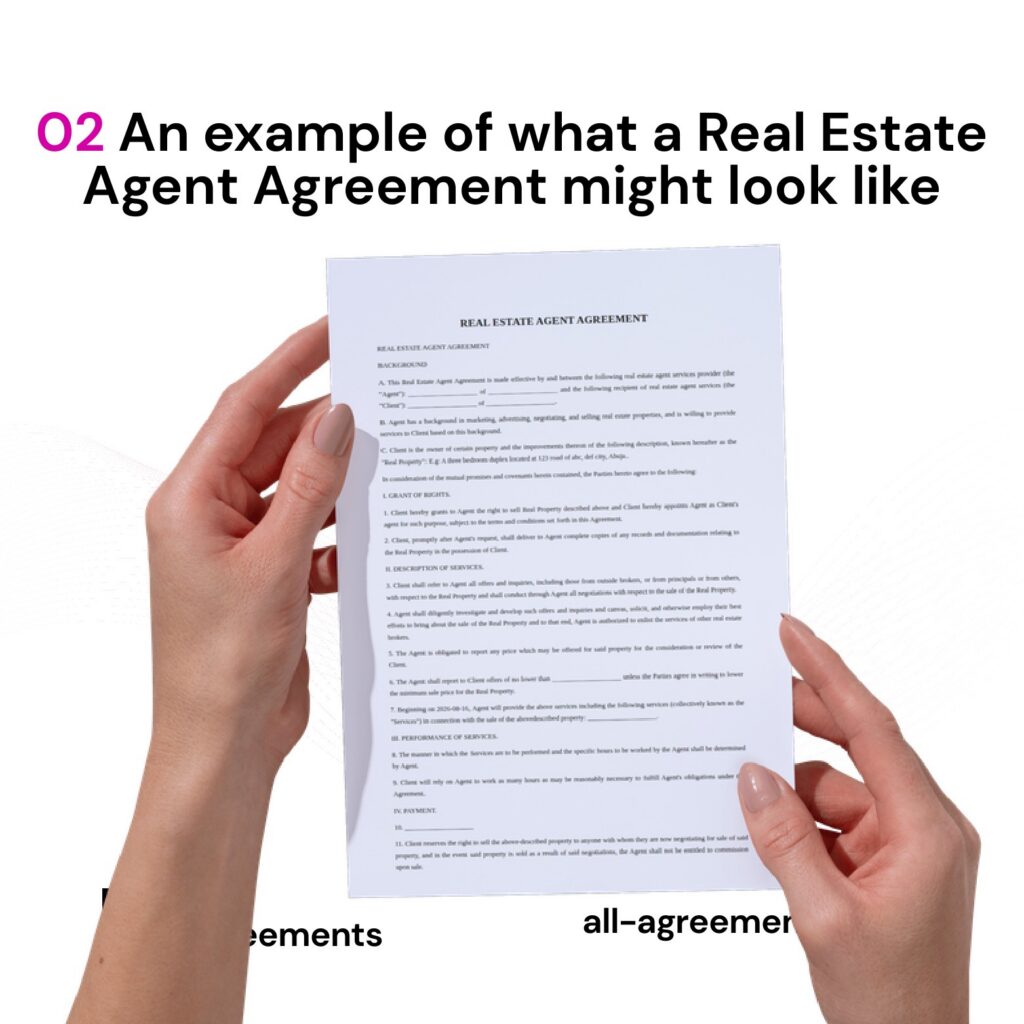
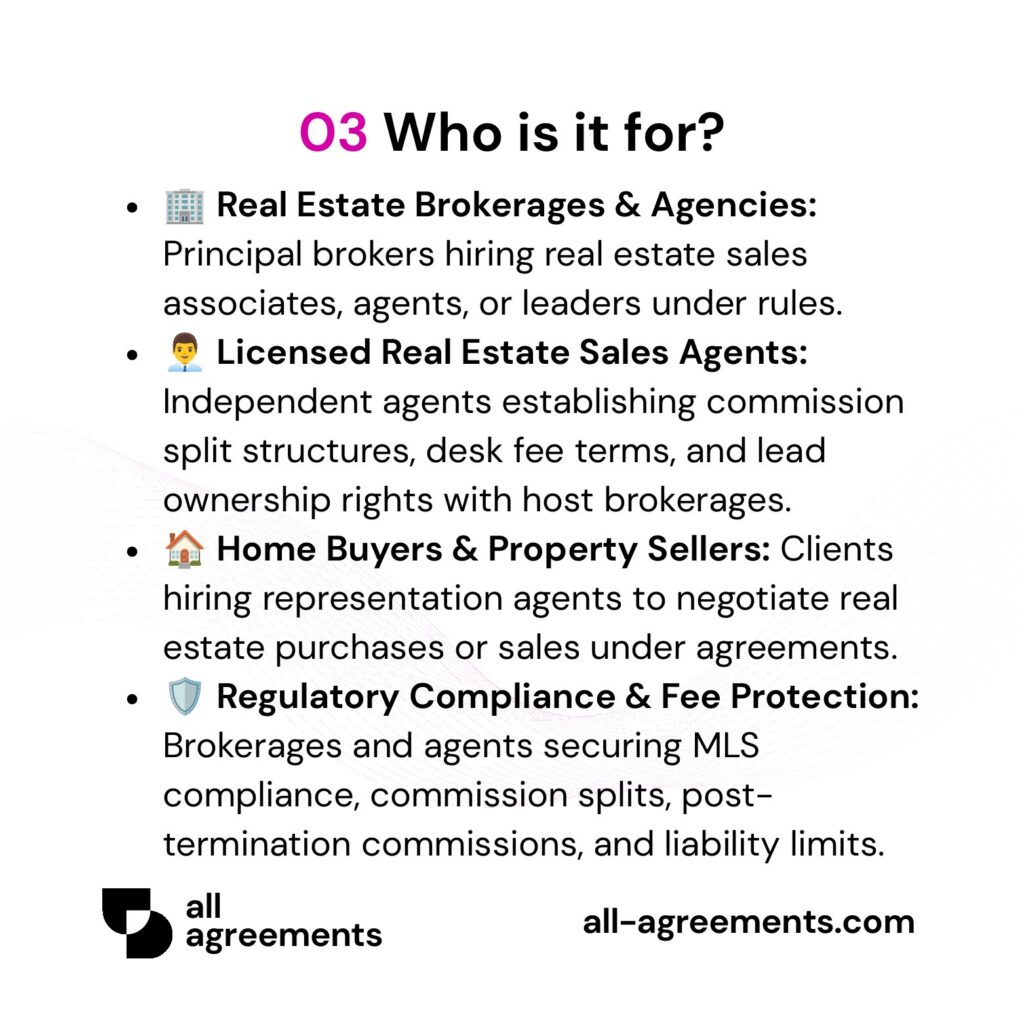
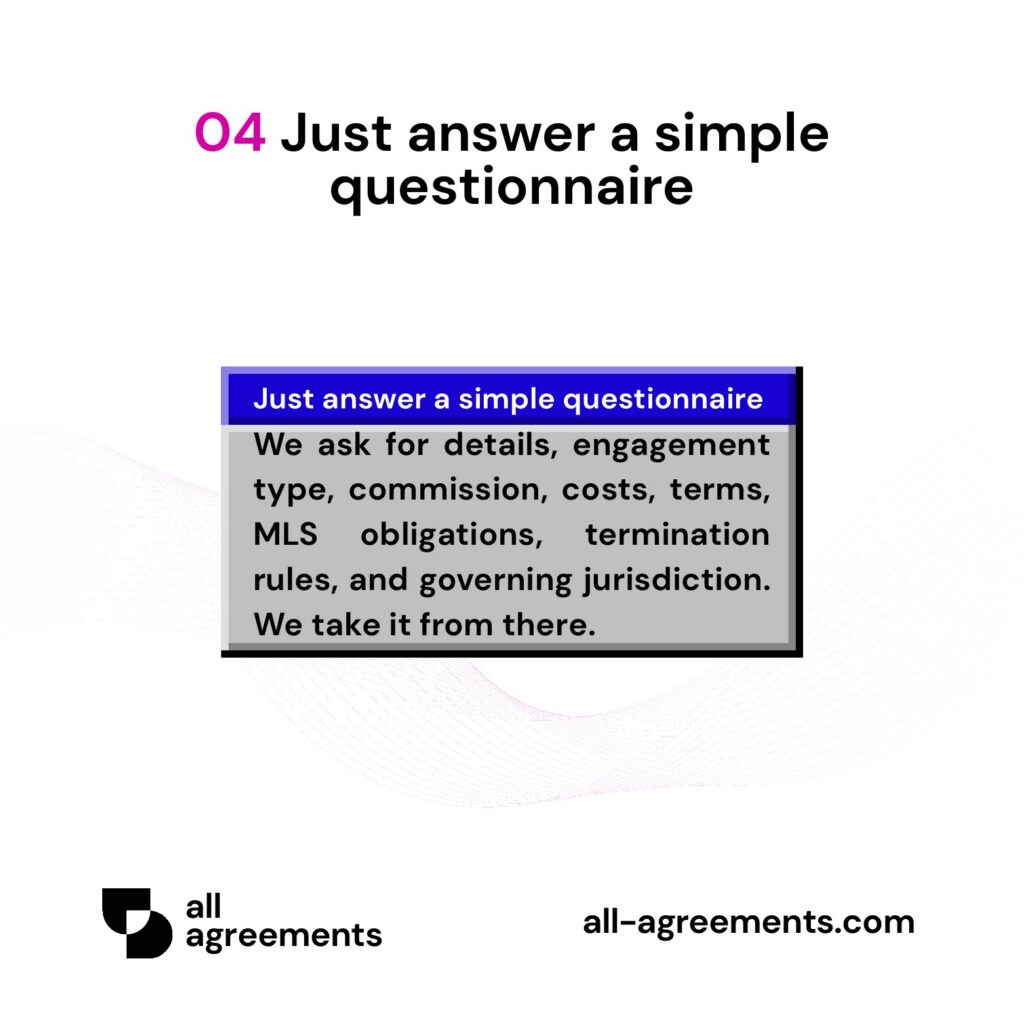
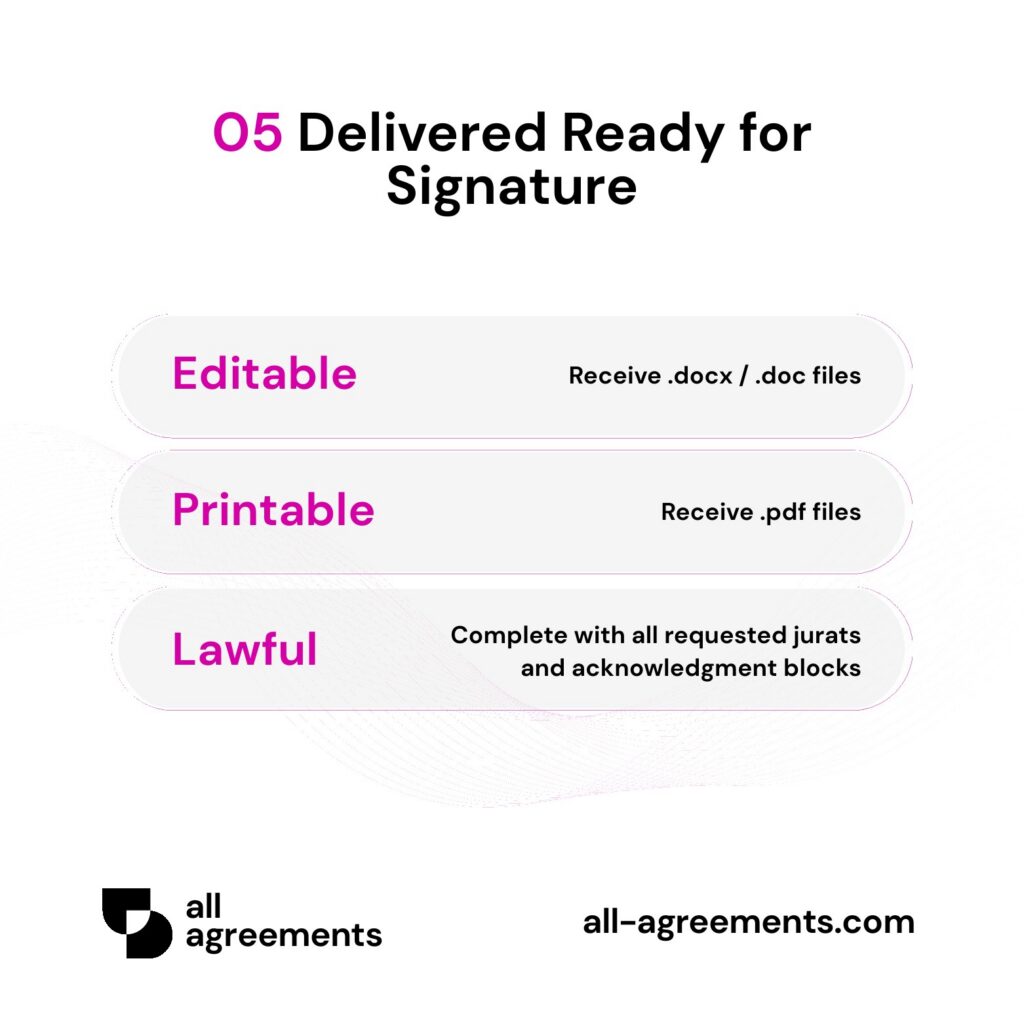
Create a custom Real Estate Agent Agreement defining representation terms, commissions, services, and responsibilities between agents and clients.
Clearly structure real estate relationships with professional terms covering compensation, authority, disclosures, and transaction duties.
- Custom-Prepared Document: Structured using agent, brokerage, client, property, commission, and service information you provide.
- Complete Representation Terms: Document services, fees, negotiation authority, marketing responsibilities, and transaction expectations.
- Agent & Client Protection: Address termination, disclosures, expenses, disputes, and additional real estate provisions.
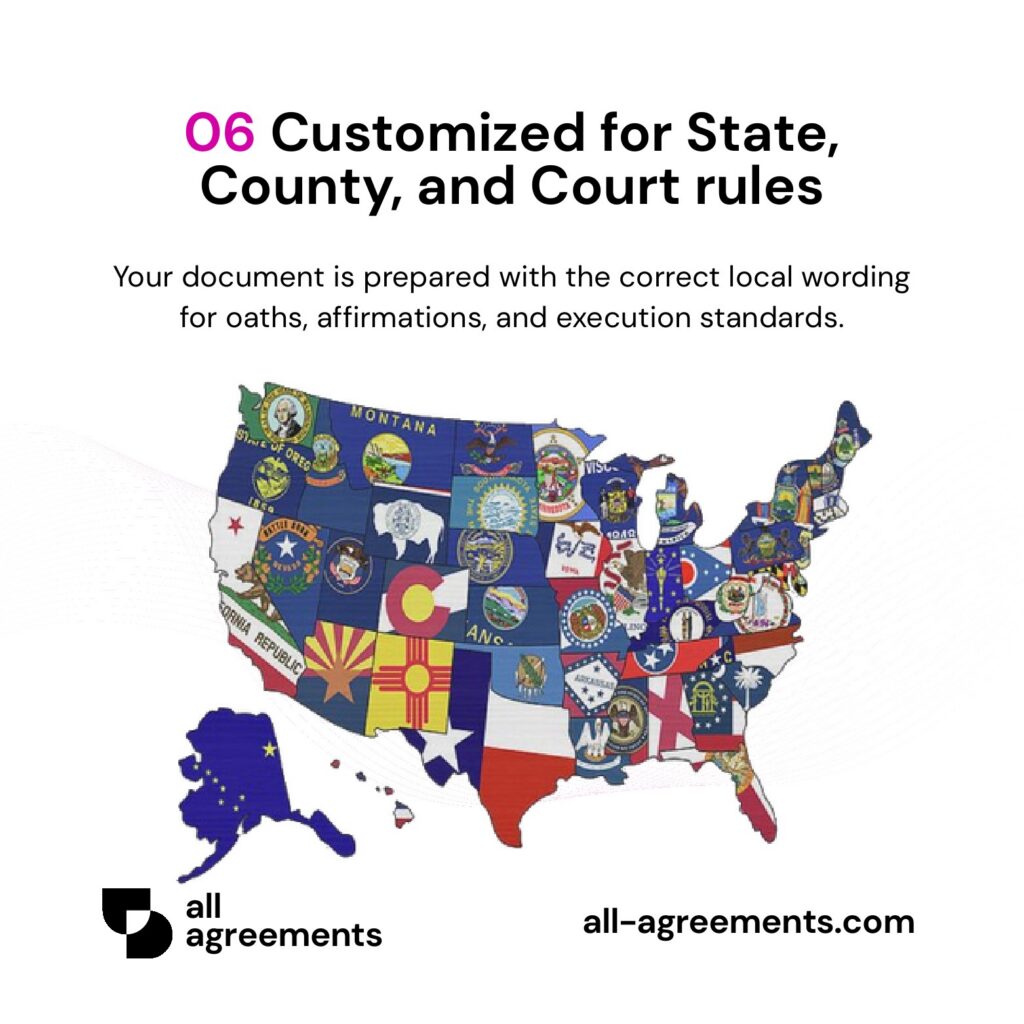
💡 Designed for real estate professionals and clients throughout the United States and adaptable to the governing state law and selected representation arrangement.
Contract Termination in Real Estate Transactions
Real estate contracts in California may be terminated under specific conditions outlined in the purchase agreement or allowed by statute.
Common reasons for termination include:
Failure of Contingencies
If financing, inspection, appraisal, or title conditions are not satisfied within the required timeframe, the contract may be canceled according to its terms.
Mutual Agreement
Both buyer and seller may agree to cancel the transaction if circumstances change.
Breach of Contract
If one party fails to meet contractual obligations—such as missing deadlines or refusing to perform required actions—the other party may have the right to terminate the agreement.
Earnest Money Disputes
In some cases, disagreements arise over whether earnest money should be refunded or released to the seller, often depending on whether contingencies were properly met.
Because California real estate contracts rely on strict timelines and active written releases, adhering to notice and performance periods is critical to avoid contractual failure.
Real Estate Investment Considerations
Many California real estate transactions involve investment properties rather than primary residences. Investors may purchase single-family homes, multi-family residential units, or vacant land for rental income or long-term appreciation.
Key factors investors often consider include:
- Rental income potential and cap rates
- Property location, job growth, and local tenant demand
- Maintenance, seismic retrofitting, and capital improvement costs
- Local rent control and tenant protection laws (e.g., California AB 1482 and municipal rent stabilization ordinances)
- Property taxes, special assessments, and insurance costs
- Long-term appreciation trends
In high-demand regions like the San Francisco Bay Area (Silicon Valley, San Francisco, Oakland), Greater Los Angeles, San Diego, and the Inland Empire, rental markets can vary significantly depending on municipal regulations, neighborhood dynamics, and local economic drivers.
Successful real estate investment often depends on careful analysis of legal regulatory compliance, property condition, and local market trends rather than purchase price alone.
Common Legal and Practical Risks
Real estate transactions involve both financial and legal risks. Some of the most common issues include:
Title Defects
Undiscovered liens, ownership disputes, or recording errors can delay or complicate ownership transfer.
Boundary Disputes
Disagreements over property lines may arise, especially in rural, timberland, or older residential subdivisions.
Financing Failures
Even approved buyers may lose financing if financial conditions change before closing.
Undisclosed Property Issues
Hidden defects or incomplete disclosures can lead to disputes after the sale.
Careful due diligence, proper documentation, and professional guidance help reduce these risks significantly.
Best Practices for California Buyers and Sellers
Successful real estate transactions are usually the result of thorough preparation, clear communication, and detailed written documentation.
Recommended best practices include:
- Review all contract terms and C.A.R. forms carefully before signing
- Complete thorough physical inspections, NHD reviews, and disclosure evaluations
- Keep communication transparent and documented in writing between all parties
- Track and meet all contractual contingency and disclosure deadlines strictly
- Work with qualified real estate professionals, escrow officers, and attorneys when needed
- Ensure statutory seller disclosures (TDS, NHD, SPQ) are complete, accurate, and delivered promptly
- Understand closing costs, transfer taxes, and financial obligations in advance
Across California—from coastal communities and suburban subdivisions to Central Valley farmland, wine country estates, and mountain regions—well-prepared buyers and sellers tend to experience smoother and more predictable outcomes.
Frequently Asked Questions
Do I need a real estate agent to buy property in California?
No, but many buyers choose to work with a licensed real estate agent or broker to assist with market analysis, contract drafting, disclosure compliance, and negotiation.
What happens if a home does not pass inspection?
Depending on contract contingencies, the buyer may request repairs, negotiate price reductions or closing cost credits, or cancel the contract with deposit return if within the inspection period.
Is title insurance required in California?
It is not legally mandated for all-cash transactions, but mortgage lenders strictly require a lender’s title policy, and owner’s title insurance is standard practice to safeguard ownership against hidden defects.
How long does a real estate transaction take in California?
Timelines vary, but most traditional residential escrows take approximately 30 to 45 days from contract acceptance to final recording.
Can a seller refuse to fix issues found during inspection?
Yes. Unless an item represents an unfulfilled contract term or mandatory legal compliance (such as required smoke detector or water heater bracing compliance), sellers are generally not legally obligated to make requested repairs.
Conclusion
Real estate transactions in California involve a structured, disclosure-intensive legal process designed to protect both buyers and sellers while ensuring the valid transfer of real property. From the initial purchase agreement to mandatory seller disclosures, property inspections, financing, escrow, and final county recording, each stage plays a vital role in managing risk and providing legal certainty.
Understanding contractual contingencies, California’s mandatory seller disclosure framework (such as the TDS and NHD), financing requirements, and escrow procedures helps prevent misunderstandings and costly disputes. Whether purchasing a primary residence, acquiring commercial property, or investing in California rental units, thorough preparation and strict adherence to statutory timelines are essential.
Ultimately, successful real estate transactions in California are built on clear written contracts, comprehensive disclosures, and proper execution at every stage of the process.
How It Works
Get started in just four simple steps
01
Select a document type
Choose the type of document from our catalog or contract us.
02
Provide details or requirements
Provide your specific requirements, details, and guidelines.
03
We prepare your document
Our consulting experts review your request and draft a tailored document.
04
You receive a printable file
Receive your ready-to-use, professional file in different formats.
Legal Context
Legal requirements in the state may vary depending on the type of document and situation.
Common use cases include:
- Business Agreements
- Consulting Agreements
- Personal Documents
- Real Estate Agreements
- Rental Agreements
- Packages Super Offer
Users should always ensure they select the correct document type for their specific situation.
Related Pages
United States Overview
Other States
Explore Legal Articles
Learn more about how legal documents work in the state:
- California Business Contracts Explained
- California Employment Contracts
- California Estate Planning
- California Power of Attorney Explained
- California Rental Laws Overview
- California Real Estate Transactions
- California Worker Classification
- How California Bills of Sale Work
- How Eviction Works in California
On sale products
-
Rent Receipt Template
Original price was: $14.99.$5.99Current price is: $5.99. -
Move-In Checklist
Original price was: $19.99.$8.99Current price is: $8.99. -
Move-Out Checklist
Original price was: $19.99.$8.99Current price is: $8.99. -
Landlord Reference Letter
Original price was: $19.99.$8.99Current price is: $8.99. -
Tenant Reference Letter
Original price was: $19.99.$8.99Current price is: $8.99.


