










Medical Power of Attorney
Medical Power of Attorney preparation for U.S. individuals designating a trusted person to make healthcare decisions during incapacity.
Define the Healthcare Agent, successor Agent, medical authority, effective conditions, treatment preferences, HIPAA access, limitations, witnesses, and signatures.
- Custom-Prepared Healthcare Power of Attorney: Structured using the Principal, Agent, medical authority, treatment, privacy, limitation, and execution information you provide.
- Clear Medical Decision Authority: Address treatment, surgery, medications, hospital admission, facility selection, end-of-life care, and life-sustaining treatment.
- Healthcare Privacy and Execution: Organize HIPAA authorization, successor Agent terms, physician information, revocation, witnesses, notarization, and additional instructions.
💡 Need more information before ordering? Explore our full Medical Power of Attorney Preparation Service.
What Is a Medical Power of Attorney?
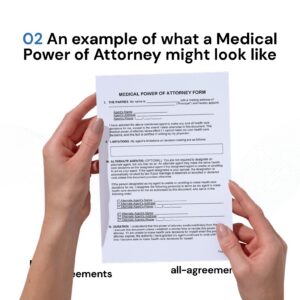
A Medical Power of Attorney is a legal document that authorizes a person, known as a healthcare agent or healthcare proxy, to make medical decisions for another person, known as the principal, when the principal is unable to make those decisions themselves.
The healthcare agent may be authorized to make decisions regarding:
- Medical treatments
- Healthcare providers
- Hospital care
- Surgery decisions
- Medication choices
- Rehabilitation services
- Long-term care arrangements
- End-of-life care decisions
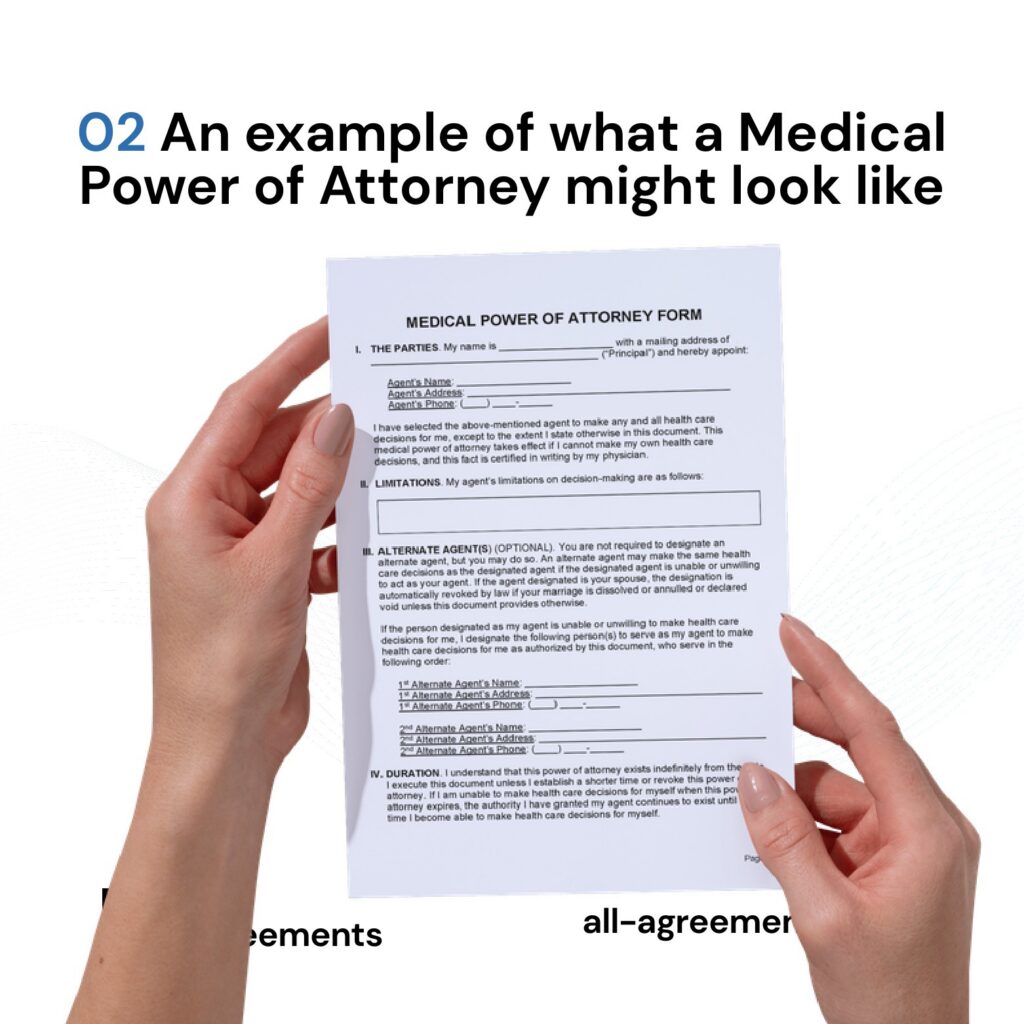
A Medical Power of Attorney commonly includes:
- Principal’s information
- Healthcare agent’s information
- Scope of medical authority
- Healthcare preferences
- Limitations on authority
- Effective conditions
- Successor agent information
- Revocation provisions
- Signature requirements
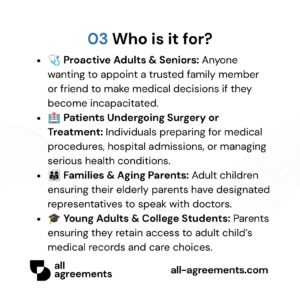
Medical Power of Attorney documents are commonly used for:
- Adults planning for emergencies
- Elder care planning
- Chronic illness situations
- Surgical procedures
- Estate planning
- Military personnel
- Individuals with high-risk occupations
A properly prepared document helps ensure healthcare decisions are made by someone the principal trusts.
Why a Medical Power of Attorney Is Important
Medical emergencies can occur unexpectedly, and a person may become unable to explain their healthcare preferences.
Without a Medical Power of Attorney, family members may face uncertainty about who has authority to make important decisions.
A Medical Power of Attorney helps:
- Ensure personal healthcare wishes are respected
- Appoint a trusted decision-maker
- Avoid confusion among family members
- Provide guidance to healthcare providers
- Reduce delays in medical decisions
- Support advance healthcare planning
A written document provides clarity when it matters most.
Before You Start Creating a Medical Power of Attorney
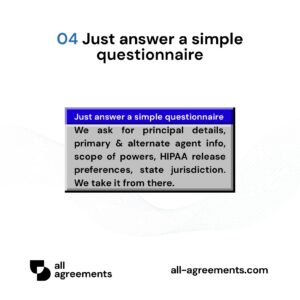
Before preparing the document, the principal should carefully consider their healthcare preferences and choose a trusted healthcare agent.
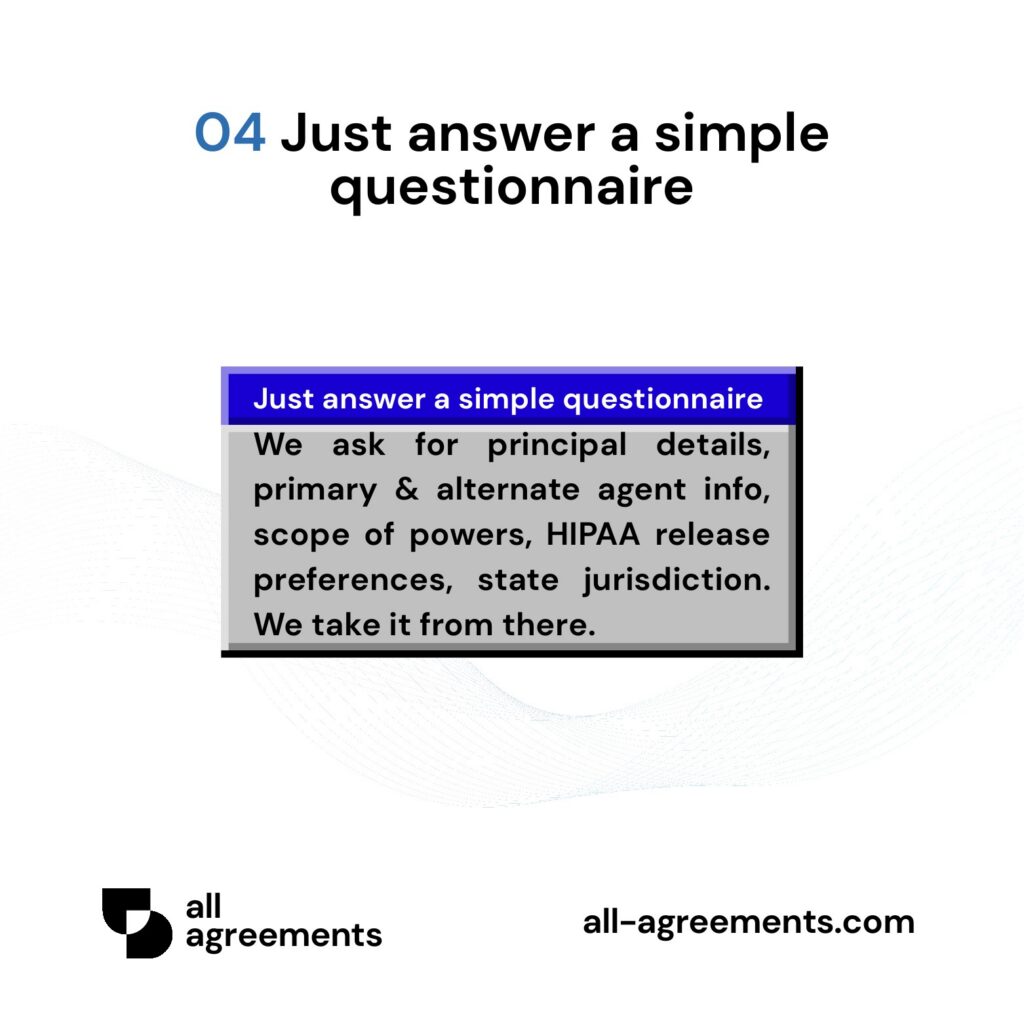
Important information may include:
- Principal’s legal name
- Healthcare agent’s legal name
- Contact information
- Backup agent information
- Medical preferences
- Treatment preferences
- Religious or personal considerations
- State-specific requirements
The principal should discuss their wishes with the selected healthcare agent before signing.
Step-by-Step Guide to Creating a Medical Power of Attorney
Step 1. Identify the Principal
The document should clearly identify the person granting healthcare authority.
Include:
- Full legal name
- Address
- Contact information
- Date of birth (if required)
Accurate identification helps establish who created the document.
Step 2. Choose a Healthcare Agent
The principal should select a trusted person to make healthcare decisions.
A healthcare agent may be:
- Spouse
- Family member
- Close friend
- Trusted individual
The chosen person should:
- Understand the principal’s wishes
- Be willing to make difficult decisions
- Communicate effectively with healthcare providers
- Act in the principal’s best interests
Choosing the right agent is one of the most important decisions in healthcare planning.
Step 3. Identify a Successor Healthcare Agent
The principal may appoint an alternate agent in case the primary healthcare agent cannot serve.
A successor agent helps ensure someone is available to make decisions if:
- The primary agent is unavailable
- The primary agent declines the role
- The primary agent cannot be contacted
Including a backup provides additional protection.
Step 4. Define the Agent’s Healthcare Authority
The document should explain what decisions the healthcare agent may make.
Authority may include:
- Approving or refusing treatments
- Selecting healthcare providers
- Accessing medical information
- Making hospital decisions
- Arranging medical services
- Reviewing medical records where permitted
The scope of authority should be clearly defined.
Step 5. Include Healthcare Preferences
Although the agent receives decision-making authority, the principal may provide guidance about personal wishes.
Preferences may address:
- Life-support decisions
- Pain management
- Surgical procedures
- Long-term care
- Organ donation preferences
- Quality-of-life considerations
Providing instructions helps guide the agent during difficult situations.
Step 6. Address Limitations on Authority
The principal may choose to limit the healthcare agent’s powers.
Examples include:
- Restricting certain treatments
- Requiring consultation with specific individuals
- Limiting decisions involving specific medical procedures
Clearly stated limitations help ensure decisions remain consistent with the principal’s wishes.
Step 7. Determine When the Medical Power of Attorney Becomes Effective
The document should explain when the healthcare agent may begin making decisions.
Common arrangements include:
- Effective immediately upon signing
- Effective only after medical incapacity is determined
- Effective under specific circumstances allowed by state law
The effective conditions should be clearly stated.
Step 8. Include HIPAA Authorization (If Applicable)
Many Medical Power of Attorney documents include authorization allowing the healthcare agent to access protected medical information.
This may allow the agent to:
- Communicate with doctors
- Review medical records
- Receive healthcare updates
- Participate in treatment discussions
Proper authorization helps ensure the agent can perform their role effectively.
Step 9. Review State-Specific Requirements
Medical Power of Attorney requirements vary by state.
Depending on jurisdiction, the document may require:
- Witness signatures
- Notarization
- Specific statutory wording
- Healthcare-specific forms
Reviewing local requirements helps ensure the document is properly executed.
Step 10. Review the Medical Power of Attorney Before Signing
Before signing, the principal should carefully review the document.
Important items to verify include:
- Principal information
- Healthcare agent information
- Granted authority
- Healthcare preferences
- Limitations
- Effective conditions
- Signature requirements
A careful review ensures the document accurately reflects the principal’s wishes.
Step 11. Sign the Medical Power of Attorney
The document must be properly signed according to applicable law.
Requirements may include:
- Principal’s signature
- Witness signatures
- Notarization
The healthcare agent may also need to acknowledge their responsibilities depending on state requirements.
Step 12. Store and Share the Document
After signing, the document should be stored in an accessible but secure location.
Copies may be provided to:
- Healthcare agent
- Primary doctor
- Medical providers
- Family members
- Attorney or estate planner
Making sure the document is available helps prevent delays during emergencies.
How to Use a Medical Power of Attorney
A Medical Power of Attorney is typically used when the principal cannot make or communicate healthcare decisions.
The healthcare agent may then:
- Communicate with medical professionals
- Review treatment options
- Make authorized healthcare decisions
- Represent the principal’s preferences
The agent must generally act according to the principal’s instructions and applicable law.
Keep Copies of the Signed Medical Power of Attorney
The principal and healthcare agent should keep copies of the completed document.
Copies may be useful for:
- Emergency medical situations
- Hospital admissions
- Healthcare planning
- Doctor consultations
- Long-term care arrangements
Keeping records organized helps ensure the document can be used when needed.
Common Mistakes to Avoid
When creating a Medical Power of Attorney, common mistakes include:
- Choosing an agent without discussing expectations
- Failing to provide healthcare instructions
- Not updating the document after major life changes
- Ignoring state requirements
- Using unclear language
- Forgetting to name a backup agent
- Not sharing copies with healthcare providers
A carefully prepared document helps ensure healthcare decisions reflect the principal’s wishes.
Frequently Asked Questions
What Is the Purpose of a Medical Power of Attorney?
A Medical Power of Attorney allows a trusted person to make healthcare decisions when the principal cannot make decisions independently.
Is a Medical Power of Attorney the Same as a Living Will?
No. A Medical Power of Attorney appoints someone to make healthcare decisions, while a living will generally provides instructions about specific medical treatments.
Can a Medical Power of Attorney Be Revoked?
Yes. A competent principal may generally revoke a Medical Power of Attorney according to applicable state procedures.
Can a Family Member Automatically Make Medical Decisions?
Rules vary by state. Without a Medical Power of Attorney, healthcare decision-making authority may depend on state law and family relationships.
Does a Medical Power of Attorney Expire?
Some documents may remain effective until revoked, while others may have expiration provisions depending on state law or the document terms.
Does a Medical Power of Attorney Need to Be Notarized?
Requirements vary by state. Some jurisdictions require notarization, while others allow witness signatures or other execution methods.
Conclusion
Creating a Medical Power of Attorney is an important step in healthcare planning because it allows a trusted person to make medical decisions when the principal is unable to communicate their wishes.
A properly prepared document establishes essential details such as the healthcare agent, scope of authority, medical preferences, limitations, effective conditions, and execution requirements.
Before signing a Medical Power of Attorney, the principal should carefully review the document and discuss their wishes with the appointed healthcare agent.
A well-prepared Medical Power of Attorney is more than a legal form—it is an important healthcare planning tool that protects personal choices, provides guidance during emergencies, reduces uncertainty for loved ones, and ensures medical decisions are handled according to the individual’s preferences.

On sale products
-
Rent Receipt Template
Original price was: $14.99.$5.99Current price is: $5.99. -
Move-In Checklist
Original price was: $19.99.$8.99Current price is: $8.99. -
Move-Out Checklist
Original price was: $19.99.$8.99Current price is: $8.99. -
Landlord Reference Letter
Original price was: $19.99.$8.99Current price is: $8.99. -
Tenant Reference Letter
Original price was: $19.99.$8.99Current price is: $8.99.


Legal Document Preparation Services (A-J)
A
Affidavit Template Preparation Service
Agency Agreement Preparation Service
Asset Purchase Agreement Preparation Service
B
Bill of Sale Preparation Service
Boat Bill of Sale Preparation Service
Business Loan Agreement Preparation Service
Business Partnership Agreement Preparation Service
C
Character Reference Letter Preparation Service
Child Care Authorization Preparation Service
Child Support Agreement Preparation Service
Co-Parenting Agreement Preparation Service
Commercial Lease Agreement Preparation Service
Commercial Property Lease Preparation Service
Commission Agreement Preparation Service
Consent Form Preparation Service
Consulting Agreement Preparation Service
Construction Contract Preparation Service
Contractor Agreement Preparation Service
D
Debt Settlement Agreement Preparation Service
Deed Transfer Form Preparation Service
Demand Letter Preparation Service
E
Easement Agreement Preparation Service
Early Lease Termination Letter Preparation Service
Electrical Contract Preparation Service
Employee Handbook Preparation Service
Employment Contract Preparation Service
Eviction Notice Preparation Service
F
Franchise Agreement Preparation Service
G
Gift Letter Preparation Service
Guardianship Form Preparation Service
H
HOA Agreement Preparation Service
Home Improvement Agreement Preparation Service
Home Inspection Checklist Preparation Service
I
Independent Contractor Agreement Preparation Service
Internship Agreement Preparation Service
J
Joint Venture Agreement Preparation Service
Legal Document Preparation Services (L-Q)
L
Landlord Reference Letter Preparation Service
Last Will and Testament Preparation Service
Late Rent Notice Preparation Service
Lease Extension Agreement Preparation Service
Lease Renewal Agreement Preparation Service
Lease Termination Agreement Preparation Service
Letter of Intent Preparation Service
Listing Agreement Preparation Service
Living Will Preparation Service
M
Medical Power of Attorney Preparation Service
Month-to-Month Lease Agreement Preparation Service
Move-In Checklist Preparation Service
Move-Out Checklist Preparation Service
Motorcycle Bill of Sale Preparation Service
Mutual NDA Preparation Service
N
Name Change Letter Preparation Service
NDA Agreement Preparation Service
Non-Compete Agreement Preparation Service
Notice to Quit Preparation Service
O
Operating Agreement Preparation Service
P
Parking Space Rental Agreement Preparation Service
Personal Loan Agreement Preparation Service
Personal Property Agreement Preparation Service
Pet Addendum Preparation Service
Plumbing Contract Preparation Service
Power of Attorney Preparation Service
Promissory Note Preparation Service
Property Disclosure Form Preparation Service
Property Investment Agreement Preparation Service
Property Maintenance Agreement Preparation Service
Property Management Agreement Preparation Service
Property Management Contract Preparation Service
Property Sale Contract Preparation Service
Purchase Agreement Preparation Service
Q
Quitclaim Deed Preparation Service
Legal Document Preparation Services (R-W)
R
Real Estate Agent Agreement Preparation Service
Real Estate Commission Agreement Preparation Service
Real Estate Purchase Agreement Preparation Service
Remodeling Agreement Preparation Service
Rent Increase Notice Preparation Service
Rent Receipt Preparation Service
Rental Application Form Preparation Service
Residential Lease Agreement Preparation Service
Residential Property Lease Preparation Service
Room Rental Agreement Preparation Service
Roommate Agreement Preparation Service
Roofing Contract Preparation Service
S
Sales Agreement Preparation Service
Security Deposit Agreement Preparation Service
Separation Agreement Preparation Service
Service Agreement Preparation Service
Shareholder Agreement Preparation Service
Simple Rent Agreement Preparation Service
Sublease Agreement Preparation Service
Supplier Agreement Preparation Service
T
Tenant Reference Letter Preparation Service
Travel Consent Form Preparation Service
V
Vacation Rental Agreement Preparation Service
Vehicle Bill of Sale Preparation Service
Vendor Agreement Preparation Service
W
Warranty Deed Preparation Service

