
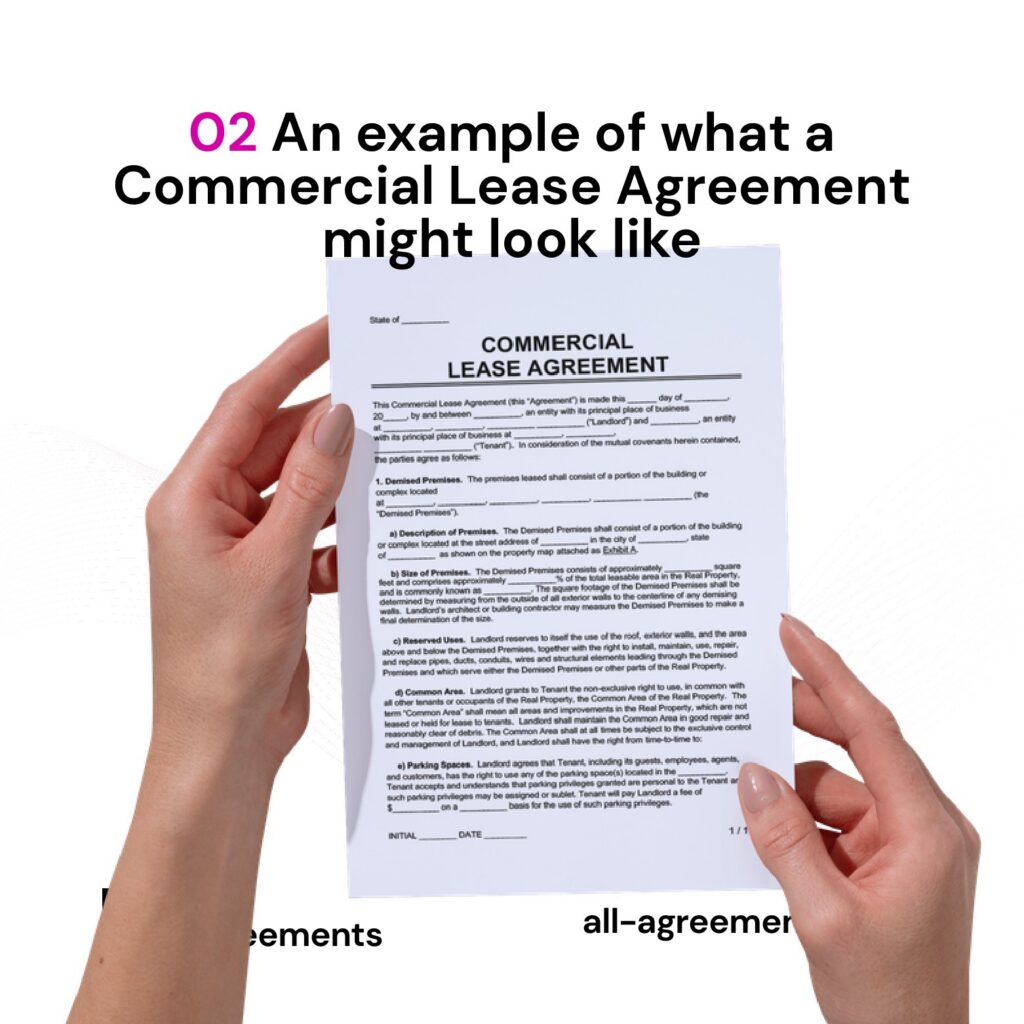
Commercial Lease Agreement
Create a custom Commercial Lease Agreement designed around your commercial property, business operations, and landlord-tenant responsibilities.
Clearly define rent terms, permitted use, maintenance obligations, operating expenses, renewal options, and commercial lease protections in one professional agreement.
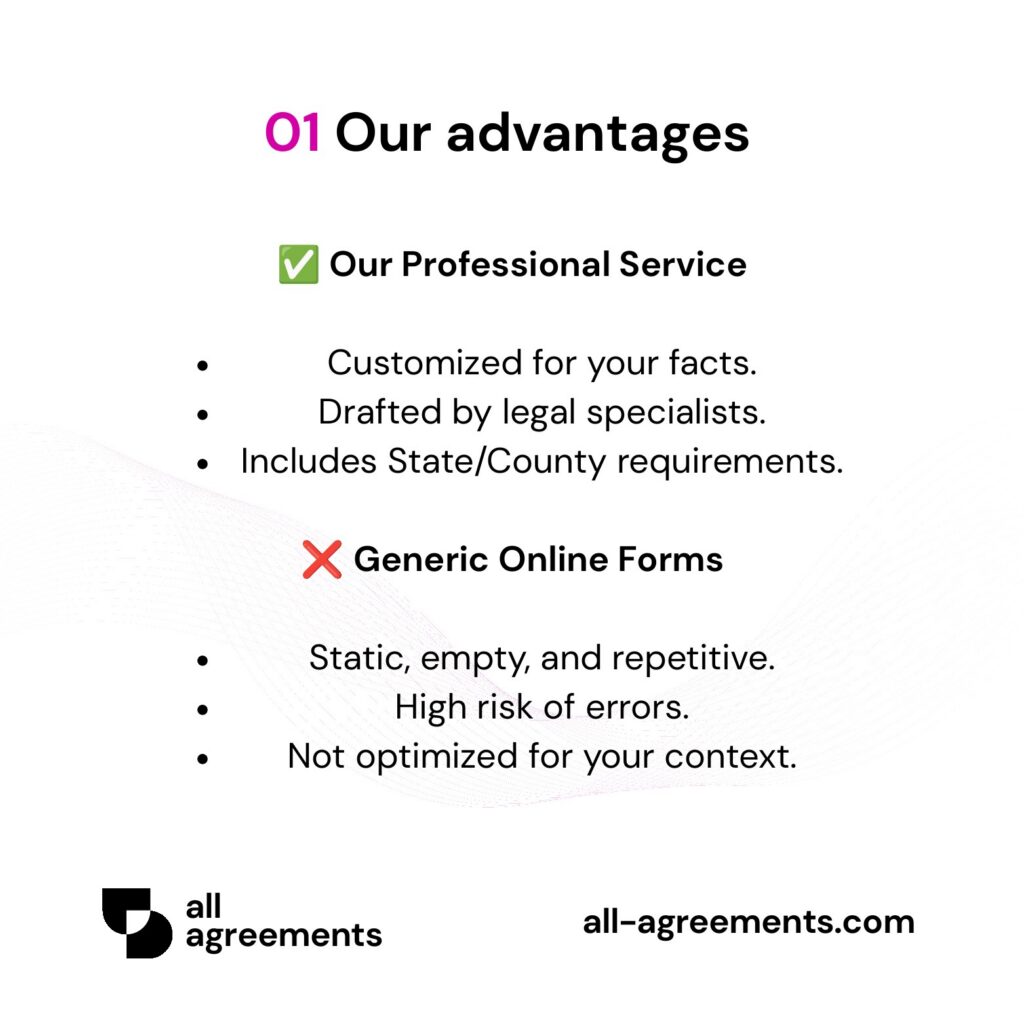
- Custom-Prepared Document: Structured using the commercial property, landlord, tenant, rental terms, and business requirements you provide.
- Complete Lease Structure: Document rent obligations, security deposits, maintenance duties, insurance requirements, property expenses, and renewal provisions.
- Commercial Property Protection: Address tenant responsibilities, landlord rights, default terms, termination procedures, dispute resolution, and additional lease provisions.
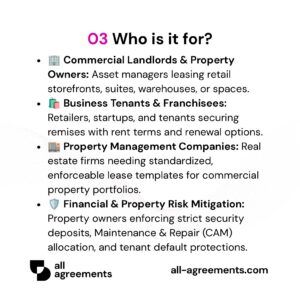
💡 Designed for landlords, tenants, investors, and commercial real estate professionals throughout the United States and adaptable to the governing state law and specific leasing arrangement selected by the parties.
What Is a Commercial Lease Agreement?
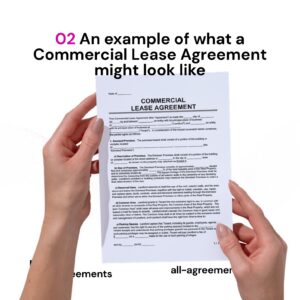
A Commercial Lease Agreement is a written contract between a landlord and a business tenant that establishes the terms for renting commercial property.
The landlord, sometimes called the lessor, provides the right to use the property, while the tenant, commonly a business or company, agrees to pay rent and comply with the terms of the agreement.
Commercial Lease Agreements are commonly used for:
- Retail stores
- Office spaces
- Restaurants
- Warehouses
- Industrial properties
- Professional offices
- Medical facilities
- Business centers
- Manufacturing spaces
A commercial lease typically includes information about rent, lease duration, permitted business activities, maintenance obligations, insurance requirements, and other business-related conditions.
Why a Commercial Lease Agreement Is Important
A commercial property rental involves significant financial and operational considerations. Without a clear written agreement, disputes may arise regarding payments, property use, repairs, improvements, and responsibilities.
A Commercial Lease Agreement helps:
- Define the relationship between landlord and tenant
- Establish rental payment obligations
- Protect business operations
- Clarify property usage rights
- Explain maintenance responsibilities
- Document important business terms
- Reduce potential disagreements
A well-prepared agreement provides a structured foundation for a successful commercial rental relationship.
Before You Start Creating a Commercial Lease Agreement
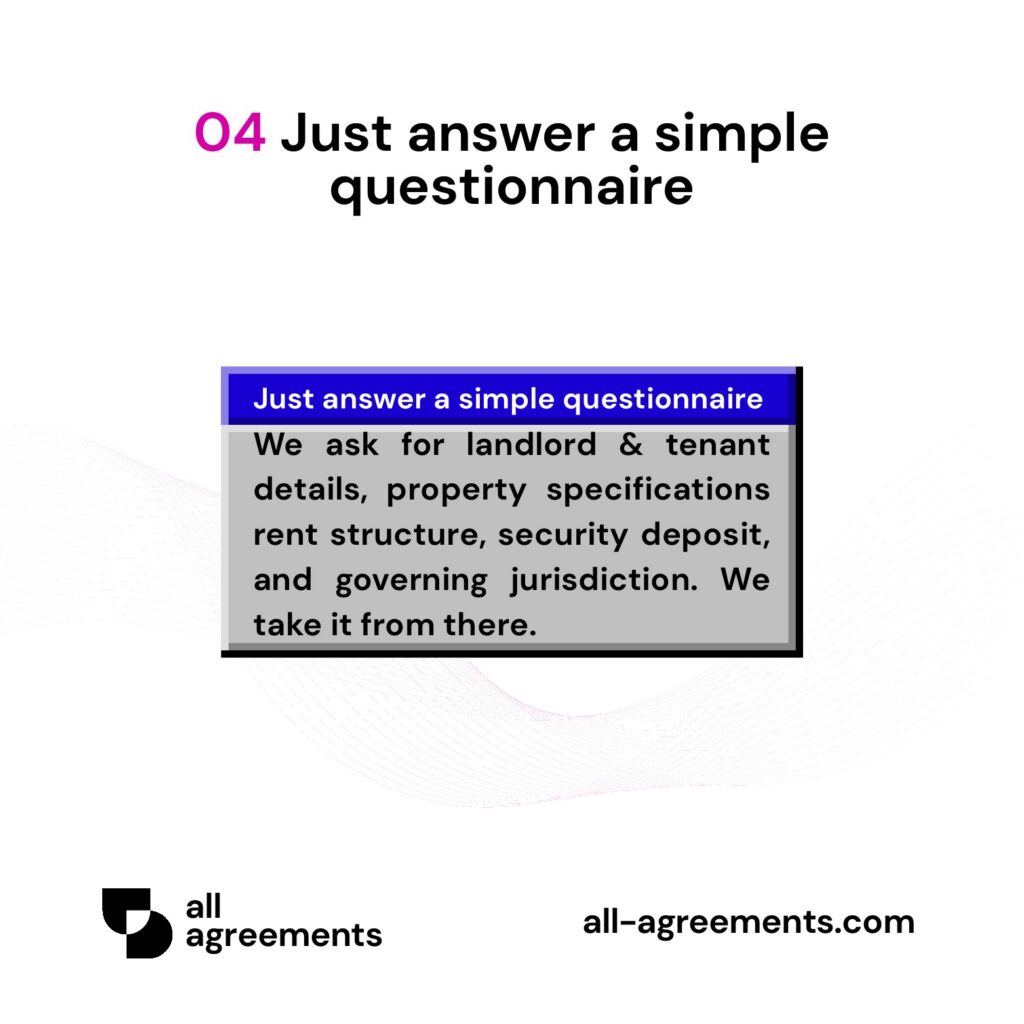
Before preparing a commercial lease, both parties should gather important information about the property, business, and rental arrangement.
Important details may include:
- Landlord information
- Tenant business information
- Property address
- Type of commercial space
- Intended business use
- Lease term
- Rent amount
- Operating expenses
- Security deposit
- Insurance requirements
- Maintenance responsibilities
Having complete information helps create a more accurate and effective agreement.
Step-by-Step Guide to Creating a Commercial Lease Agreement
Step 1. Identify the Landlord and Tenant
The first step is identifying the parties entering into the lease agreement.
Landlord Information
The agreement should include:
- Full legal name
- Business entity name (if applicable)
- Mailing address
- Contact information
- Authorized representative details
Tenant Information
The lease should identify:
- Business legal name
- Business structure
- Owner or authorized representative
- Contact information
The agreement should clearly state who is responsible for the obligations under the lease.
Step 2. Describe the Commercial Property
A Commercial Lease Agreement should clearly identify the property being rented.
The property description may include:
- Street address
- Suite or unit number
- Square footage
- Parking areas
- Storage areas
- Common areas
- Included equipment or fixtures
A detailed property description helps avoid confusion regarding what space the tenant is allowed to use.
Step 3. Define the Permitted Business Use
One of the most important parts of a commercial lease is explaining how the property may be used.
The agreement should specify:
- Type of business activity allowed
- Approved operations
- Restrictions on use
- Licensing requirements
Examples of permitted uses include:
- Retail sales
- Office operations
- Restaurant services
- Professional services
- Warehouse operations
Clearly defining the permitted use helps protect both parties and ensures the property is used appropriately.
Step 4. Establish the Lease Term
The lease agreement should explain how long the tenant may occupy the property.
Important terms include:
- Beginning date
- Expiration date
- Renewal options
- Extension rights
- Notice requirements
Commercial leases often last longer than residential leases and may include multi-year terms.
The agreement should clearly explain what happens when the initial lease period ends.
Step 5. Determine Rent and Payment Terms
Rent provisions are a central part of any commercial lease agreement.
The document should include:
- Monthly rent amount
- Payment due date
- Accepted payment methods
- Late payment procedures
- Additional charges
Commercial leases may also include different rent structures, such as:
Fixed Rent
The tenant pays a set monthly amount throughout the lease term.
Percentage Rent
The tenant pays base rent plus a percentage of business revenue, commonly used in retail settings.
Additional Rent
The tenant pays additional costs such as operating expenses, taxes, or maintenance fees.
Clear payment terms help both parties understand financial obligations.
Step 6. Address Security Deposits and Financial Guarantees
Commercial landlords may require additional financial protection.
The agreement may include:
- Security deposit amount
- Payment deadline
- Conditions for deductions
- Return procedures
- Personal guarantees (if applicable)
A clear security deposit section helps establish expectations regarding financial protection.
Step 7. Explain Operating Expenses and Additional Costs
Commercial leases often involve expenses beyond base rent.
The agreement should explain responsibility for:
- Property taxes
- Insurance costs
- Maintenance expenses
- Utilities
- Common area maintenance
- Repairs
- Waste removal
Commercial leases may be structured differently depending on who pays these expenses.
Common structures include:
Gross Lease
The tenant pays a fixed rent amount while the landlord covers most property expenses.
Triple Net Lease
The tenant may pay rent plus property taxes, insurance, and maintenance expenses.
Modified Gross Lease
Costs are shared between the landlord and tenant according to the agreement.
Step 8. Define Maintenance and Repair Responsibilities
Commercial properties often require detailed maintenance provisions.
The agreement should explain responsibility for:
Landlord Responsibilities
May include:
- Structural repairs
- Building systems
- Major property issues
Tenant Responsibilities
May include:
- Interior maintenance
- Cleaning
- Equipment maintenance
- Damage caused by business operations
Clearly assigning responsibilities helps prevent disputes.
Step 9. Address Improvements and Alterations
Businesses may need to modify commercial space to operate effectively.
The lease should explain:
- Whether improvements are allowed
- Approval requirements
- Construction procedures
- Permits
- Ownership of improvements
Examples include:
- Interior renovations
- Sign installation
- Office modifications
- Equipment installation
Clear improvement terms help protect the property and business interests.
Step 10. Include Insurance Requirements
Commercial leases often require tenants to maintain certain insurance coverage.
The agreement may address:
- General liability insurance
- Property insurance
- Workers’ compensation coverage
- Additional insured requirements
- Proof of insurance
Insurance provisions help manage risks associated with commercial activities.
Step 11. Add Rules Regarding Property Use
A commercial lease may include rules regarding:
- Signage
- Parking
- Noise
- Hazardous materials
- Security procedures
- Compliance with laws
- Building regulations
These provisions help maintain a safe and professional commercial environment.
Step 12. Include Default and Termination Terms
The lease should explain what happens if either party fails to meet their obligations.
Common default situations include:
- Failure to pay rent
- Unauthorized property use
- Breach of lease terms
- Failure to maintain insurance
The agreement may explain:
- Notice requirements
- Cure periods
- Termination procedures
- Available remedies
Clear default provisions help both parties understand their options.
Review the Commercial Lease Agreement Before Signing
Before signing, both parties should carefully review all terms.
Important items to verify include:
- Correct party information
- Property description
- Rent terms
- Lease duration
- Expense responsibilities
- Insurance requirements
- Permitted use
- Termination provisions
Commercial leases often involve significant financial commitments, so careful review is essential.
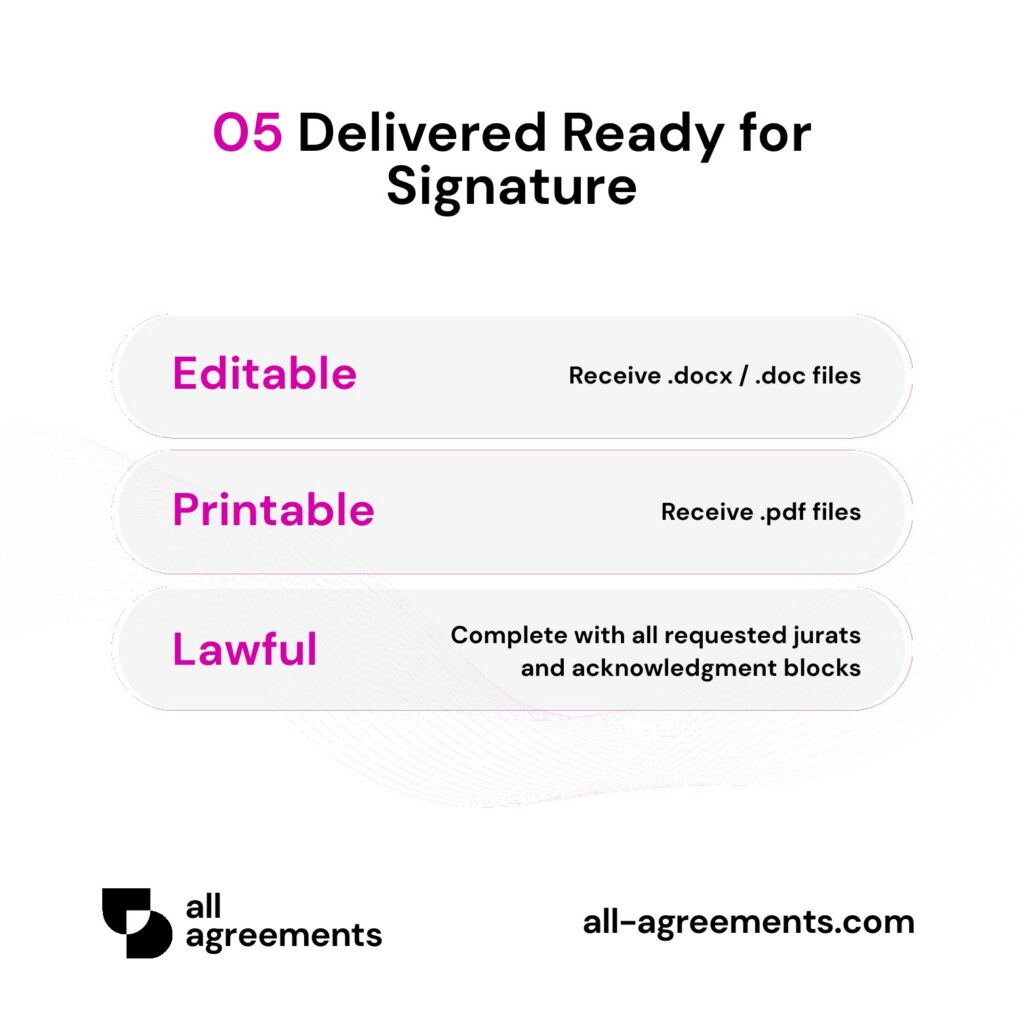
How to Sign a Commercial Lease Agreement
A Commercial Lease Agreement should be signed by authorized representatives of both parties.
The document may include:
- Landlord signature
- Tenant business representative signature
- Company title or authority
- Date of signing
Depending on the circumstances, additional requirements may apply.
Keep Copies of the Signed Agreement
Both landlord and tenant should maintain copies of the completed lease.
A copy may be needed for:
- Business records
- Financial planning
- Renewal discussions
- Dispute resolution
- Compliance documentation
Proper recordkeeping helps maintain an organized business relationship.
Common Mistakes to Avoid
When creating a Commercial Lease Agreement, common mistakes include:
- Not defining permitted business use
- Failing to explain expense responsibilities
- Using unclear rent terms
- Ignoring maintenance obligations
- Not addressing property improvements
- Forgetting insurance requirements
- Failing to review renewal terms
- Not identifying authorized representatives
A detailed agreement helps reduce uncertainty and protects both parties.
Frequently Asked Questions
Can I Create My Own Commercial Lease Agreement?
Yes, parties can create their own commercial lease agreement. However, commercial leases often involve complex financial and legal terms that should be carefully reviewed before signing.
How Long Does a Commercial Lease Usually Last?
Commercial leases commonly last several years, but the duration depends on the agreement between the landlord and tenant.
What Is the Difference Between a Residential and Commercial Lease?
A residential lease is used for housing purposes, while a commercial lease is used for business activities and usually includes more complex financial and operational terms.
Does a Commercial Lease Need to Be Notarized?
Notarization requirements vary depending on location and the specific circumstances of the lease.
Can a Business Transfer or Assign a Commercial Lease?
Many commercial leases address assignment and transfer rights. The tenant may need landlord approval before transferring the lease.
What Happens If a Business Breaks a Commercial Lease?
The consequences depend on the lease terms and applicable law. The agreement should explain default procedures and possible remedies.
Conclusion
Creating a Commercial Lease Agreement is an important step in establishing a professional relationship between a landlord and a business tenant.
A properly prepared agreement documents essential terms such as property details, permitted use, rent obligations, operating expenses, maintenance responsibilities, insurance requirements, and termination procedures.
Before creating or signing a commercial lease, both parties should carefully review the agreement and ensure that it accurately reflects their business arrangement.
A well-prepared Commercial Lease Agreement is more than a rental document—it is an essential business tool that helps protect property owners, support business operations, reduce uncertainty, and create a clear framework for a successful commercial relationship.
On sale products
-
Rent Receipt Template
Original price was: $14.99.$5.99Current price is: $5.99. -
Move-In Checklist
Original price was: $19.99.$8.99Current price is: $8.99. -
Move-Out Checklist
Original price was: $19.99.$8.99Current price is: $8.99. -
Landlord Reference Letter
Original price was: $19.99.$8.99Current price is: $8.99. -
Tenant Reference Letter
Original price was: $19.99.$8.99Current price is: $8.99.


Legal Document Preparation Services (A-J)
A
Affidavit Template Preparation Service
Agency Agreement Preparation Service
Asset Purchase Agreement Preparation Service
B
Bill of Sale Preparation Service
Boat Bill of Sale Preparation Service
Business Loan Agreement Preparation Service
Business Partnership Agreement Preparation Service
C
Character Reference Letter Preparation Service
Child Care Authorization Preparation Service
Child Support Agreement Preparation Service
Co-Parenting Agreement Preparation Service
Commercial Lease Agreement Preparation Service
Commercial Property Lease Preparation Service
Commission Agreement Preparation Service
Consent Form Preparation Service
Consulting Agreement Preparation Service
Construction Contract Preparation Service
Contractor Agreement Preparation Service
D
Debt Settlement Agreement Preparation Service
Deed Transfer Form Preparation Service
Demand Letter Preparation Service
E
Easement Agreement Preparation Service
Early Lease Termination Letter Preparation Service
Electrical Contract Preparation Service
Employee Handbook Preparation Service
Employment Contract Preparation Service
Eviction Notice Preparation Service
F
Franchise Agreement Preparation Service
G
Gift Letter Preparation Service
Guardianship Form Preparation Service
H
HOA Agreement Preparation Service
Home Improvement Agreement Preparation Service
Home Inspection Checklist Preparation Service
I
Independent Contractor Agreement Preparation Service
Internship Agreement Preparation Service
J
Joint Venture Agreement Preparation Service
Legal Document Preparation Services (L-Q)
L
Landlord Reference Letter Preparation Service
Last Will and Testament Preparation Service
Late Rent Notice Preparation Service
Lease Extension Agreement Preparation Service
Lease Renewal Agreement Preparation Service
Lease Termination Agreement Preparation Service
Letter of Intent Preparation Service
Listing Agreement Preparation Service
Living Will Preparation Service
M
Medical Power of Attorney Preparation Service
Month-to-Month Lease Agreement Preparation Service
Move-In Checklist Preparation Service
Move-Out Checklist Preparation Service
Motorcycle Bill of Sale Preparation Service
Mutual NDA Preparation Service
N
Name Change Letter Preparation Service
NDA Agreement Preparation Service
Non-Compete Agreement Preparation Service
Notice to Quit Preparation Service
O
Operating Agreement Preparation Service
P
Parking Space Rental Agreement Preparation Service
Personal Loan Agreement Preparation Service
Personal Property Agreement Preparation Service
Pet Addendum Preparation Service
Plumbing Contract Preparation Service
Power of Attorney Preparation Service
Promissory Note Preparation Service
Property Disclosure Form Preparation Service
Property Investment Agreement Preparation Service
Property Maintenance Agreement Preparation Service
Property Management Agreement Preparation Service
Property Management Contract Preparation Service
Property Sale Contract Preparation Service
Purchase Agreement Preparation Service
Q
Quitclaim Deed Preparation Service
Legal Document Preparation Services (R-W)
R
Real Estate Agent Agreement Preparation Service
Real Estate Commission Agreement Preparation Service
Real Estate Purchase Agreement Preparation Service
Remodeling Agreement Preparation Service
Rent Increase Notice Preparation Service
Rent Receipt Preparation Service
Rental Application Form Preparation Service
Residential Lease Agreement Preparation Service
Residential Property Lease Preparation Service
Room Rental Agreement Preparation Service
Roommate Agreement Preparation Service
Roofing Contract Preparation Service
S
Sales Agreement Preparation Service
Security Deposit Agreement Preparation Service
Separation Agreement Preparation Service
Service Agreement Preparation Service
Shareholder Agreement Preparation Service
Simple Rent Agreement Preparation Service
Sublease Agreement Preparation Service
Supplier Agreement Preparation Service
T
Tenant Reference Letter Preparation Service
Travel Consent Form Preparation Service
V
Vacation Rental Agreement Preparation Service
Vehicle Bill of Sale Preparation Service
Vendor Agreement Preparation Service
W
Warranty Deed Preparation Service

